











Unlock Longevity: Strength Training for Beginners for Healthy Aging
I remember a time, not so long ago, when the idea of “aging gracefully” felt less like an aspiration and more like a gentle slide into inevitable physical decline. For years, my fitness routine was a predictable cycle of cardio — running, cycling, maybe a spin class. I bought into the pervasive narrative that heart health was paramount, and while that’s undeniably true, I missed a crucial piece of the puzzle. I saw friends and family members, just a few years ahead of me, complaining about creaking joints, declining energy, and the frustrating loss of everyday functional strength. It wasn’t until I faced my own nagging back pain, despite all the cardio, that I realized my biggest obstacle wasn’t my schedule, it was my mindset. I was simply reacting to fitness trends, not strategically investing in my future self. The traditional model felt broken, and I knew there had to be a more resilient approach to a vibrant, active life as the years added up.
This isn’t just about looking good in a swimsuit (though that’s a nice side benefit). This is about navigating our increasingly demanding world with physical independence and mental fortitude. It’s about building a foundation that allows you to chase your grandkids, confidently lift groceries, or tackle that hiking trail you’ve always dreamed of, well into your golden years. We’re living longer, but are we living better? The data suggests a growing gap between lifespan and healthspan. The good news? We have a powerful, accessible, and scientifically proven tool at our disposal: strength training. For beginners, especially, it’s not just a workout; it’s an investment strategy for long-term vitality, a genuine path to unlocking true longevity.
# The Foundation of Future-Proofing Your Body
Let’s dismantle some common myths and build a robust understanding of why strength training is non-negotiable for healthy aging, even if you’ve never touched a dumbbell before. This isn’t about becoming a powerlifter overnight, but about consistent, strategic inputs that yield exponential returns.
1. The Silent Epidemic: Muscle Loss and Its Impact
When I first started researching my back pain, I discovered the term “sarcopenia”—the age-related loss of muscle mass and strength. It sounds clinical, but the real-world impact is profound. Think about it: every decade after age 30, we can lose 3-8% of our muscle mass. This isn’t just about aesthetics; it directly impacts metabolism, bone density, balance, and overall functional capacity. I used to think weakness was just part of getting older. The truth, supported by extensive research published in journals like The American Journal of Clinical Nutrition, is that much of this decline is preventable and even reversible with resistance training. This was my personal “aha!” moment: my back pain wasn’t inevitable aging; it was a signal that I needed to build resilience, not just maintain baseline cardio.

2. Bone Density: Your Invisible Armor Against Falls
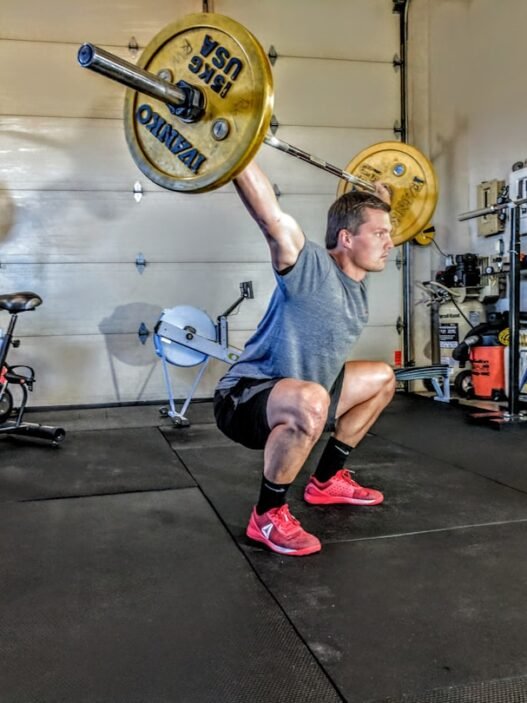
Here’s an operator’s perspective: you wouldn’t build a house without a strong foundation, so why would you expect your body to withstand decades without reinforcing its skeletal structure? Osteoporosis and osteopenia are major concerns as we age, particularly for women. Strength training, specifically movements that put impact and stress through the bones (think squats, deadlifts, overhead presses), signals to your body to lay down new bone tissue. It’s a physiological marvel – your bones adapt and become denser and stronger, making you less susceptible to fractures. For me, knowing I was actively building a stronger skeleton felt like I was investing in an impenetrable shield against future accidents, a truly strategic move for long-term health.
3. Metabolism and Body Composition: Reclaiming Your Internal Engine
Ever noticed how it gets harder to keep weight off as you get older, even if your diet hasn’t drastically changed? A major culprit is that sneaky muscle loss we just talked about. Muscle is metabolically active tissue, meaning it burns more calories at rest than fat does. When you build and maintain muscle through strength training, you’re essentially revving up your internal engine. This makes it easier to manage your weight, maintain a healthy body composition, and improve insulin sensitivity. It’s a powerful feedback loop: more muscle means a more efficient metabolism, which supports better energy levels and overall vitality. I saw this firsthand; when I started lifting, my energy levels normalized, and I felt a sustained sense of power throughout my day that cardio alone never gave me.

4. The Neuroscience of Strength: Mind-Muscle Connection and Cognitive Boost
Beyond the physical, there’s a powerful psychological and cognitive dimension to strength training. The act of learning new movements, focusing on form, and challenging yourself mentally fosters a profound mind-muscle connection. It demands presence and focus, acting almost like a moving meditation. Moreover, emerging research, including studies from the NIH, suggests that resistance training can have positive effects on cognitive function, including memory and executive function, especially in older adults. It’s not just about building a stronger body; it’s about nurturing a sharper, more resilient mind. That sense of accomplishment after a challenging set translates into confidence that spills over into other areas of life.
5. Simple Starts: The Beginner’s Blueprint
So, how do you start? The beauty of strength training for beginners is its simplicity. You don’t need fancy equipment or a decade of experience.
Consistency over Intensity: Aim for 2-3 full-body workouts per week.
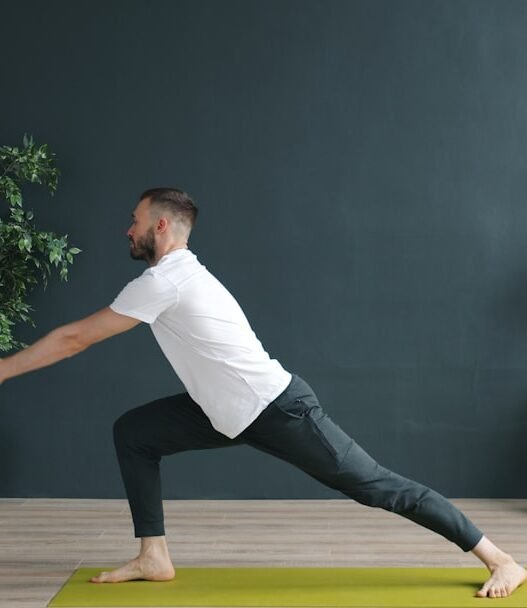
Compound Movements First: Focus on exercises that work multiple muscle groups simultaneously. Think squats, lunges, push-ups (even against a wall), rows (using resistance bands or light weights), and planks. These are your foundational building blocks.
Progressive Overload: This is the golden rule. To get stronger, you must gradually increase the challenge over time. This could mean lifting slightly heavier weights, doing more repetitions, adding another set, or improving your form to make an exercise harder. Start with bodyweight if weights feel intimidating. Just try to do a little bit more than last time.
Prioritize Form: Watch videos, maybe even invest in a few sessions with a certified trainer to learn proper technique. Good form prevents injury and maximizes effectiveness. Don’t be afraid to start light; ego lifting leads to setbacks.
* Listen to Your Body & Recover: Rest days are as important as training days. Proper sleep, hydration, and nutrition are non-negotiable for muscle repair and growth.
This isn’t about chasing fleeting trends; it’s about establishing an operational resilience for your body. It’s about designing a system that adapts and strengthens over time, much like a successful business strategy. The deeper truth here is that aging doesn’t have to mean decline; it can be an opportunity for continued growth and empowerment, if we apply the right strategic inputs.
# The Breakthrough: Small Actions, Big Returns

My journey into strength training wasn’t linear. There were days I felt weak, days I doubted my progress, and days I just wanted to stick to my old, comfortable cardio routine. But I kept showing up. I focused on the small wins: an extra rep, a slightly heavier weight, a day where my back didn’t ache. This consistent, deliberate effort wasn’t just building muscle; it was building an entirely new relationship with my body and the aging process.
What this journey taught me is that longevity isn’t a passive gift; it’s an active pursuit. You don’t stumble into robust health; you design it, one intentional movement at a time. For you, the beginner ready to embrace this path, know that every single rep, every single workout, is a deposit into your future health account. You’re not just moving weight; you’re fortifying your bones, boosting your metabolism, sharpening your mind, and reclaiming your physical autonomy.
My strongest recommendation: just start. Forget perfection; aim for consistency. Pick 3-4 simple bodyweight exercises (squats, push-ups, planks, lunges) and do 3 sets of 8-12 reps, two or three times a week. Track your progress, even if it’s just a mental note. You’ll be amazed at how quickly your body adapts and responds. This isn’t a quick fix or a trendy hack; it’s a foundational lifestyle shift that will pay dividends for decades. Your future self will thank you for every rep, every moment of effort, and every ounce of strength you cultivate today.
To deepen your exploration, consider investigating AI-powered fitness apps that can personalize beginner routines, or look into community-driven fitness challenges that offer support and accountability for consistent effort. These tools can help you scale your personal fitness journey responsibly, ensuring long-term adherence and truly building customer trust in your body’s amazing capacity to adapt.
Please watched this video till the end to earn 5 PCoins

REMINDER: Every Post Can ONLY Claim Per Day ONCE
Pls Proceed to NEXT Post!