








Unlock Longevity: Full Body Workout Routine for Healthy Aging
I remember the exact moment it hit me. I was pushing 35, staring at my reflection after a particularly grueling Monday morning. My “routine” back then was a chaotic mess: an inconsistent mix of heavy lifting that left me perpetually sore and weekend warrior antics that often ended in minor injuries. My energy levels felt like a yo-yo, my joints creaked like an old house, and despite my efforts, I felt… fragile. Not like the resilient, vibrant person I envisioned myself becoming. It was a relatable frustration, this disconnect between ambition and reality, especially when the fitness industry relentlessly bombards us with images of peak performance, often without the blueprint for sustainable peak performance, particularly as we age.
The world of health and fitness today is a noisy marketplace, full of fleeting trends and often contradictory advice. Yet, beneath the fads, a quiet revolution is underway: a deep, evidence-based understanding of what truly builds longevity, resilience, and vitality. It’s not about chasing youth, but about optimizing your health span—the number of years you live in good health, free from chronic disease and functional limitation. My own moment of frustration ignited a fierce curiosity: how could I shift from simply “working out” to strategically investing in my future self? How could I build a body that didn’t just look good, but felt incredible, performed optimally, and resisted the relentless march of time? This question led me down a path of scientific inquiry, personal experimentation, and ultimately, to a full-body approach that’s become the bedrock of my healthy aging strategy.
# The Powerhouse Principle: Why Full-Body Training Is Your Longevity Dividend
1. Strategic Allocation of Effort: Maximizing Your Return on Time
Let’s be honest, time is our most valuable commodity. Many of us fall into the trap of spending an hour on biceps one day, another on triceps, thinking we’re “hitting everything.” But from an operator’s perspective, this often leads to diminishing returns, especially for general health and anti-aging. My journey included a period where I meticulously tracked split routines, only to find myself skipping days because life got in the way, leaving entire muscle groups neglected. The shift to full-body training was a strategic pivot, akin to a business streamlining its supply chain. By working all major muscle groups in a single session, you ensure consistent stimulation across the board. This isn’t just efficient; it’s a non-negotiable for metabolic health and hormonal response. A full-body workout triggers a broader systemic stress that translates to greater anabolic hormone release (like growth hormone and testosterone) compared to isolated muscle group training, fostering better muscle protein synthesis and fat metabolism. It’s like telling your entire body, “Hey, we’re building an anti-fragile system, all hands on deck!”
2. The Neuromuscular Masterclass: Building Brain-Body Connectivity
Think of your body as a complex, interconnected system, much like an omnichannel retail strategy. Each part affects the whole. When we perform compound movements—exercises that involve multiple joints and muscle groups—we’re not just building strength; we’re also enhancing neuromuscular efficiency. Movements like squats, deadlifts, presses, and rows demand coordination, balance, and stability. I still recall my early attempts at proper deadlifts, feeling utterly disconnected from my posterior chain. It was a psychological insight: my brain wasn’t talking effectively to my muscles. Over time, practicing these movements repeatedly, I started to feel the connections, to understand how my core braced, how my glutes fired, how my lats engaged. This improved communication isn’t just for lifting heavier; it’s crucial for preventing falls, improving posture, and maintaining independence as we age. It’s a fundamental aspect of retaining functional longevity—the ability to perform everyday tasks with ease and confidence.
3. Beyond Muscle: The Systemic Impact on Bone Density and Metabolic Health
When we talk about healthy aging, we often focus on muscle, but bone density is just as critical. Osteoporosis, a silent threat, significantly increases fracture risk, severely impacting quality of life. The beautiful synergy of full-body compound lifts is that they place mechanical stress on bones, signaling them to become stronger and denser. This is a crucial strategic recommendation: don’t just “lift weights,” lift heavy weights (relative to your strength, of course) with proper form. A study published in the Journal of Bone and Mineral Research consistently highlights the efficacy of progressive resistance training in combating age-related bone loss. Moreover, the metabolic demand of engaging large muscle groups simultaneously is immense. This helps improve insulin sensitivity, regulate blood sugar, and enhance mitochondrial function, turning your body into a more efficient, fat-burning, energy-producing machine. It’s a holistic upgrade, not just an aesthetic one.

4. The Recovery Imperative: More Is Not Always Better
This was a tough lesson for me, a classic mistake -> lesson transformation. I used to believe that if some training was good, more was better. This operator-perspective often backfired, leading to overtraining, nagging injuries, and plateaus. Full-body training, paradoxically, allows for smarter recovery. Instead of annihilating one muscle group into oblivion and needing a week to recover, you stimulate all major groups moderately, allowing for quicker overall recovery and more frequent training sessions (e.g., 2-4 times a week). This isn’t about less effort; it’s about intelligently designed volume and intensity. The ACSM (American College of Sports Medicine) guidelines emphasize adequate recovery as a cornerstone of any effective strength training program. My personal opinion? Prioritizing sleep and proper nutrition becomes even more critical with this approach, acting as the bedrock for operational resilience. It’s not just about the work in the gym; it’s about what happens between sessions.
5. Fueling the Machine: Nutrition as Your Performance Multiplier
An anecdote: I once tried to out-train a bad diet. Spoiler alert: it doesn’t work. Like any business, your body needs quality inputs to produce quality outputs. For healthy aging and optimal recovery from full-body training, protein intake is paramount. As we age, anabolic resistance increases, meaning we need more protein to stimulate muscle protein synthesis. Aim for 1.6-2.2 grams of protein per kilogram of body weight per day. This isn’t just for bodybuilders; it’s for everyone looking to preserve muscle mass, support bone health, and maintain a robust immune system. Beyond protein, a diet rich in whole foods—plenty of fruits, vegetables, healthy fats, and complex carbohydrates—provides the micronutrients and energy needed to fuel intense workouts and facilitate repair. Think of nutrition as your strategic investment in raw materials; skimping on quality leads to a compromised end product.
The deeper truth behind all this isn’t just about exercises or macros; it’s about cultivating a mindset of proactive stewardship over your physical self. It’s about understanding that health isn’t a destination, but a continuous journey of intelligent effort and adaptation.
# The Blueprint for Breakthrough: My Full-Body Longevity Routine
This isn’t just theoretical. It’s a system I’ve refined, experienced, and seen work wonders. Here’s a glimpse into the kind of full-body routine that delivers on the promise of healthy aging:
Warm-up (5-10 minutes): Dynamic movements like arm circles, leg swings, cat-cow, bird-dog, light cardio (jumping jacks, elliptical). Focus on mobility and getting blood flowing.
Workout (45-60 minutes): Perform 3-4 sets of 6-12 repetitions for each exercise. Focus on controlled movements, progressive overload (gradually increasing weight or reps), and proper form. Rest 60-90 seconds between sets.
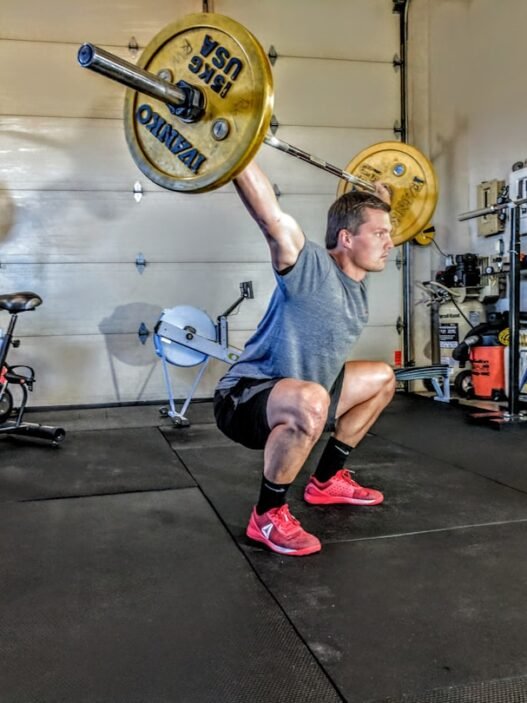
1. Lower Body Push (Compound): Squats (Barbell, Dumbbell, Goblet)
Why: The king of lower body exercises. Engages quads, glutes, hamstrings, and core. Excellent for bone density and functional strength.
2. Upper Body Pull (Compound): Pull-ups or Lat Pulldowns
Why: Builds back strength, crucial for posture and preventing shoulder issues. Pull-ups are tough, so don’t be afraid to use assistance or substitute with pulldowns.
3. Lower Body Pull (Compound): Romanian Deadlifts (RDLs)
Why: Targets hamstrings and glutes, essential for posterior chain strength, hip health, and injury prevention. Focus on hinging at the hips, not rounding the back.
4. Upper Body Push (Compound): Overhead Press (Dumbbell or Barbell)
Why: Develops shoulder strength and stability. Great for functional movements like lifting things overhead.
5. Upper Body Push (Compound): Incline Dumbbell Press
Why: Targets the chest effectively. Incline variations can be more shoulder-friendly for some.
6. Full Body/Core: Farmer’s Carry
Why: Incredible for grip strength, core stability, and overall muscular endurance. Grab heavy dumbbells and walk for distance or time.
7. Core Specific: Plank Variations or Anti-Rotation Presses
Why: Direct core work helps protect the spine and improves overall stability.

Cool-down (5-10 minutes): Static stretches for major muscle groups, holding each for 20-30 seconds. Focus on areas that feel tight.
Aim for 2-3 sessions of this routine per week, allowing for rest days in between. Listen to your body. If you feel overly fatigued, take an extra rest day or reduce intensity. Consistency, not intensity every single day, is the magic ingredient.
# The Breakthrough: Small Steps, Monumental Impact
This journey taught me that longevity isn’t some mystical formula, but a compounding effect of consistent, intelligent choices. My personal moment of “breakthrough” came not from lifting a personal best, but from recognizing the profound mental shift this routine catalyzed. I wasn’t just working out; I was investing in my capacity, my resilience, and my ability to enjoy life fully for decades to come.
For you, applying this might start small. Maybe it’s swapping one of your isolation-heavy gym days for a full-body session. Maybe it’s simply committing to two structured full-body workouts a week instead of sporadic, undirected efforts. Don’t strive for perfection; strive for persistence. The small, consistent actions—showing up, focusing on form, progressively challenging yourself, prioritizing recovery, and fueling your body with intention—will accumulate into a monumental impact on your health span. This isn’t just about adding years to your life, but life to your years.
Embrace this journey. Your future self will thank you for the strategic investment you make today. The true measure of health isn’t just how long you live, but how vibrantly.
# Further Explorations for Your Longevity Strategy:
AI-driven Personalization: Explore apps and wearables that leverage AI to tailor workouts and recovery insights to your unique physiology.
Community-driven Wellness: Seek out communities or trainers who champion sustainable, evidence-based aging strategies to enhance motivation and accountability.
Retention Systems for Health: Think about your health like a long-term membership. What systems can you put in place (habit trackers, accountability partners, scheduled check-ins) to ensure consistent engagement and prevent drift?
Please watched this video till the end to earn 5 PCoins

REMINDER: Every Post Can ONLY Claim Per Day ONCE
Pls Proceed to NEXT Post!