










Quick & Easy Healthy Dinner Recipes for Busy Weeknights
The evening hits, the workday finally wraps, and suddenly you’re staring into the abyss of your refrigerator, absolutely drained. That familiar panic sets in: What’s for dinner? You want something healthy, something that fuels your body without feeling like a chore, but the clock is ticking, and the allure of ordering takeout is strong. I’ve been there, more times than I care to admit. That moment of decision fatigue, where the mental load of planning, shopping, and cooking feels like another job, is a universal challenge in our fast-paced world. We’re bombarded with health advice and delicious-looking food trends online, but the gap between aspiration and execution often feels like a chasm. It’s this very frustration — the desire to eat well conflicting with the brutal realities of a busy schedule — that spurred my own kitchen evolution. This isn’t just about recipes; it’s about reclaiming your evenings, empowering your health, and making delicious, nourishing food an effortless part of your routine.
# Part 1 — The Weeknight Whistle-Stop: From Craving to Creation
Picture this: It’s 7 PM on a Tuesday. I’ve just gotten home from an intense functional strength class, stomach rumbling like a distant thunderstorm, and my brain is already halfway to dreamland. My craving? Something satisfying, protein-packed, and fast. Not another sad salad, not another beige plate of chicken and steamed broccoli. I wanted flavor, texture, and that “Mmm, this is good for me” feeling, without spending an hour at the stove. For years, this exact scenario led me down the slippery slope of unhealthy convenience: a quick pizza, a greasy burger, or worse, just snacking my way through the evening. My energy would crash, my sleep would suffer, and I’d wake up feeling sluggish, ready to repeat the cycle.
The turning point wasn’t a sudden epiphany, but rather a series of small, intentional experiments. I started treating my kitchen like a mini-lab, focused on efficiency and flavor density. Could I get that vibrant, satisfying meal in 30 minutes or less? Could it truly hit the spot after a grueling workout, or when my brain was fried from a day of deadlines? The answer, I excitedly discovered, was a resounding yes. It just required a bit of strategic thinking, a few go-to techniques, and a deep dive into what actually makes food both healthy and delicious. This journey transformed my weeknights from a culinary scramble to a confident, creative flow.
# Part 2 — The Golden Bowl: Speedy Salmon & Sesame Power Bowl
This recipe isn’t just a meal; it’s a testament to how incredible whole foods can be when treated right, quickly. It became my go-to “I-need-fuel-now-and-it-better-taste-amazing” dish. It’s colorful, packed with nutrients, and incredibly satisfying.
Ingredients (for 2 servings):

For the Salmon:
2 (4-6 oz) salmon fillets (wild-caught if possible, for better omega-3 profile)
1 tbsp tamari or low-sodium soy sauce
1 tsp toasted sesame oil
1/2 tsp grated fresh ginger
Pinch of red pepper flakes (optional, for a kick!)
For the Power Bowl:
2 cups cooked quinoa (pre-cooked or quick-cooking is a lifesaver!)
1 head of broccoli, chopped into florets
1 red bell pepper, thinly sliced
1 carrot, julienned or shredded
1/2 cup shelled edamame (frozen, thawed)
1 tbsp olive oil
For the Quick Tahini-Lime Drizzle:
2 tbsp tahini
1 tbsp fresh lime juice
1 tbsp warm water (or more, to reach desired consistency)
1/2 tsp maple syrup or honey (optional, for sweetness)
Pinch of salt
Garnish (optional): Sesame seeds, fresh cilantro or green onions
The Science Behind the Sizzle:
Every ingredient in this bowl is a nutritional powerhouse, carefully chosen for speed, satiety, and flavor.
1. Salmon: The Omega-3 MVP. Salmon isn’t just delicious; it’s a brain-boosting, inflammation-fighting superstar. It’s rich in omega-3 fatty acids, particularly EPA and DHA, which are crucial for heart health and cognitive function. A study published by Harvard Health Publishing highlights omega-3s’ role in reducing the risk of cardiovascular disease. Plus, it’s a fantastic source of lean protein, which helps with muscle repair post-workout and keeps you feeling full and satisfied, preventing those pesky late-night cravings. A 4-ounce fillet packs around 25 grams of protein!
2. Quinoa: The Complete Carb. While brown rice is great, quinoa steps up as a complete protein, meaning it contains all nine essential amino acids your body can’t produce on its own. It’s also high in fiber, which aids digestion, stabilizes blood sugar levels (important for sustained energy!), and contributes to gut health. According to the NIH, adequate fiber intake is associated with reduced risk of several chronic diseases. I often cook a big batch on Sunday to have ready for the week – a true game-changer.
3. Vibrant Veggies: Fiber, Vitamins, and Antioxidants Galore. Broccoli, bell peppers, carrots, and edamame aren’t just for color. Broccoli is a cruciferous powerhouse, loaded with Vitamin C, Vitamin K, and potent antioxidants. Red bell peppers are absolute Vitamin C bombs, far exceeding oranges, which is great for immune support. Carrots bring beta-carotene (hello, healthy skin and eyes!), and edamame offers plant-based protein and more fiber. This colorful medley provides a broad spectrum of micronutrients and fiber, supporting overall health and making your plate exciting.
Let’s Get Cooking (The 20-Minute Dash!):

1. Prep & Roast (5 minutes prep, 12-15 minutes cook): Preheat your oven to 400°F (200°C). Toss the broccoli florets, sliced bell pepper, and julienned carrot with olive oil, salt, and pepper on a baking sheet. Roast for 10 minutes. While they roast, combine the tamari, sesame oil, ginger, and red pepper flakes in a small bowl. Pat your salmon fillets dry, then brush with the marinade.
2. Salmon Time! (10-12 minutes cook): After the initial 10 minutes of veggie roasting, make some space on the baking sheet and add the marinated salmon fillets. Pop it all back in the oven for another 10-12 minutes, or until the salmon flakes easily with a fork and the veggies are tender-crisp.
3. Whip up the Drizzle (2 minutes): While everything’s in the oven, whisk together the tahini, lime juice, warm water, maple syrup (if using), and salt until smooth and creamy. Add more water if needed to get a drizzle-able consistency.
4. Assemble & Enjoy! (1 minute): Divide the pre-cooked quinoa between two bowls. Top with the roasted salmon and veggies, and the thawed edamame. Drizzle generously with the tahini-lime sauce. Garnish with sesame seeds and fresh herbs if you’re feeling fancy.
Boom! A restaurant-worthy, incredibly healthy, and utterly delicious meal in under 25 minutes.
# Part 3 — Beyond the Bowl: Building a Sustainable Healthy Habit
Cooking this dish isn’t just about making one healthy meal; it’s about understanding the principles that make healthy eating sustainable, even when life feels like a runaway train.
1. The “Pre-P Prep” Revelation: Your Future Self Will Thank You.
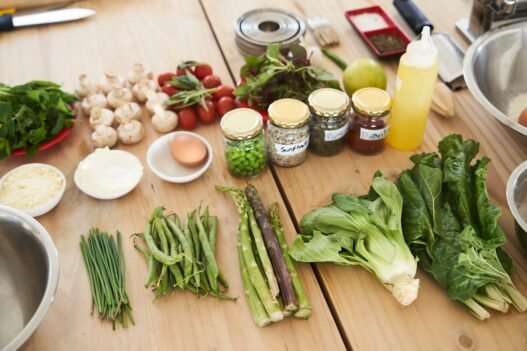
I used to think meal prep meant cooking all my meals for the week on Sunday. Exhausting! My real revelation came from pre-preparation. Think of it like setting up your kitchen for success, even if you’re only cooking dinner for two nights. On a Sunday evening, while listening to a podcast or catching up on a show, I’ll chop a whole head of broccoli, slice bell peppers, julienne carrots, wash a big bunch of spinach, and cook a batch of quinoa or brown rice. Store them in airtight containers, and suddenly, half the battle of weeknight cooking is won. This minimizes decision fatigue and makes the “fast” part of “fast and healthy” truly achievable. It’s like having a little kitchen assistant who works for free!
2. Protein Power: The Satiety Secret Weapon.
Before I truly understood the power of protein, I’d often finish a healthy meal and still feel hungry within an hour. This led to endless snacking and feeling like I was constantly battling my cravings. Incorporating a good source of lean protein into every meal, like the salmon in our power bowl, changed everything. Protein takes longer to digest, keeping you fuller for longer and stabilizing blood sugar, which prevents those energy crashes and subsequent cravings. It’s not just about building muscle; it’s about regulating appetite and providing sustained energy. Mayo Clinic emphasizes that adequate protein intake is crucial for maintaining muscle mass, especially as we age, and plays a key role in satiety. My fridge is now always stocked with quick protein options: eggs, Greek yogurt, canned tuna, pre-cooked chicken breast, and frozen edamame.
3. The “Flavor Bomb” Hack: Banish Blandness!
Let’s be real: “healthy food” often gets a bad rap for being bland or boring. My journey in the kitchen taught me that this is a myth, easily debunked with a few simple tricks. Forget complicated sauces; lean into fresh herbs (cilantro, parsley, green onions), potent spices (smoked paprika, cumin, garlic powder), and acids (lemon, lime, vinegar). A squeeze of fresh lime juice over roasted veggies can transform them from good to wow. A sprinkle of smoked paprika can make chicken sing. My quick tahini-lime drizzle is a perfect example: creamy, tangy, and bright – it elevates simple salmon and veggies into something truly special. Investing in a good spice rack and keeping fresh lemons/limes on hand is a small change with a massive flavor payoff, ensuring your healthy meals are something you look forward to, not just tolerate.
4. Strategic Flexibility: Adapting to Your Plate (and Pantry).
While our Salmon & Sesame Power Bowl is fantastic, the true power lies in its adaptability. Don’t have salmon? Use cod, shrimp, or even firm tofu for a plant-based option. No quinoa? Brown rice, farro, or even whole wheat couscous will work. Out of red bell pepper? Sautéed spinach, shredded cabbage, or asparagus are excellent swaps. The core principle remains: lean protein + complex carbs + a rainbow of veggies + a bright, flavorful sauce. This flexibility means you’re never locked into a strict recipe, which is vital for busy lives. It empowers you to create healthy meals with what you have, reducing food waste and grocery stress. It’s about understanding the framework, not just memorizing the steps.

5. The Habit Loop: Cues, Routines, and Rewards.
Building lasting healthy eating habits isn’t just about willpower; it’s about engineering your environment and routines. For me, the “cue” became that post-gym hunger or the tired slump after work. The “routine” became my quick-prep method and go-to speedy recipes. And the “reward”? The sheer satisfaction of a delicious, nourishing meal that made me feel energized and proud, without the guilt or sluggishness of takeout. Charles Duhigg’s work on habit formation emphasizes that focusing on the reward makes the routine stick. When you actively notice how good you feel after a home-cooked, healthy meal, it reinforces the positive behavior. It’s not just about the food; it’s about the feeling it gives you and the control it offers over your well-being.
Ultimately, mastering quick and easy healthy dinners isn’t about rigid rules or gourmet aspirations. It’s about operational resilience in your kitchen, learning to move with intention, and understanding the core components of what makes food both nourishing and joyful. It’s the strategic choice to invest a little upfront time (pre-prep!) to reap huge dividends later in the week.
# Conclusion
The journey to consistently eat well, especially amidst the whirlwind of modern life, is less about finding the “perfect” diet and more about cultivating smart habits and a resilient mindset. The real triumph isn’t just a delicious meal on the table in minutes; it’s the profound shift in how you view your kitchen – no longer a source of dread, but a hub of empowerment and creative well-being. By embracing pre-preparation, understanding the power of protein, and infusing your dishes with vibrant, clever flavor, you unlock a sustainable path to feeling fantastic, meal after meal.
I encourage you to take this framework and make it your own. Experiment with new spices, try different veggie combinations, or discover your own “flavor bomb” sauce. Reclaim your weeknights, one delicious, lightning-fast, and healthy meal at a time. This isn’t just about cooking; it’s about upgrading your life, one mindful bite after another.
Further Exploration:
AI Personalization for Recipe Discovery: Dive into apps that use AI to suggest recipes based on your dietary preferences, pantry ingredients, and even historical cooking habits.
Community-Driven Recipe Development: Explore online communities or social platforms where home cooks share and adapt recipes, offering a wealth of creative inspiration and troubleshooting tips.
* Automation & Workflows in Content Creation: Consider how digital tools can help streamline your meal planning, grocery list generation, and even pantry inventory for ultimate efficiency.
Please watched this video till the end to earn 5 PCoins

REMINDER: Every Post Can ONLY Claim Per Day ONCE
Pls Proceed to NEXT Post!