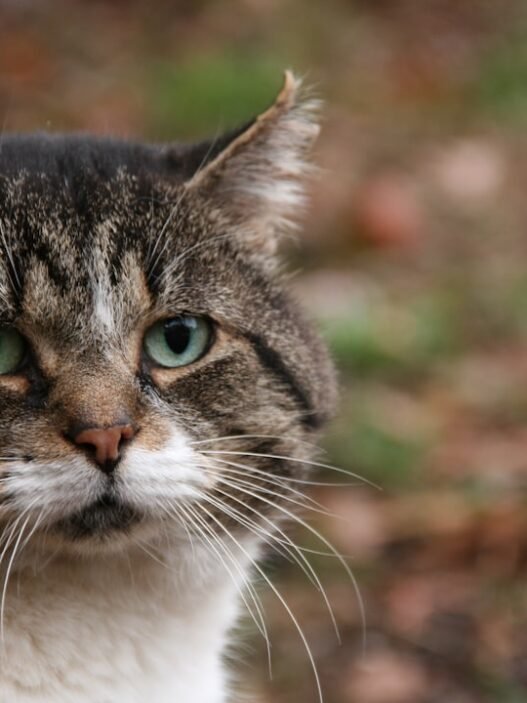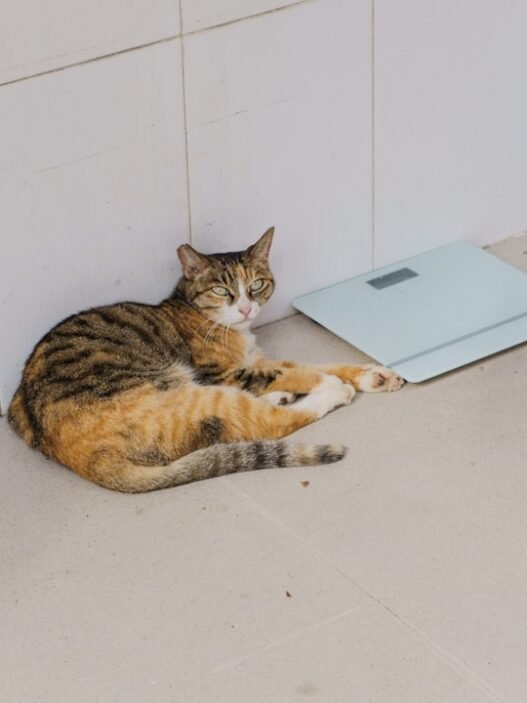












Our pets have woven themselves into the very fabric of our lives, haven’t they? More than just companions, they are furry, feathered, or scaled family members, offering unwavering emotional support and teaching us daily lessons in unconditional love. They are our quiet confidantes, our playful shadows, and often, the most honest mirrors reflecting our own inner worlds back to us.
Think about it: that pure, unadulterated joy of a wagging tail or a happy chirrup greeting you after a long, draining day. Or the quiet, grounding calm that settles over you as you simply sit beside your purring cat, feeling the gentle rhythm of their breath, or watching your fish glide gracefully through their aquatic world. These aren’t just fleeting moments; they are profound anchors, reminding us of the simple, profound beauty of connection in a world that often rushes by too quickly.
So, what profound truths do we uncover about ourselves, about patience, compassion, and presence, through the simple yet profound act of caring for these incredible beings? This journey into pet wellness isn’t just about ensuring their physical health and comfort; it’s about a deeper exploration into how our commitment to their happiness and enrichment can, in turn, transform our own emotional landscapes and sharpen our understanding of what it means to truly thrive, together.
# Beyond the Leash: Life Lessons Our Pets Teach Us

As much as we pour our hearts into understanding and nurturing our pets’ mental well-being, the truth is, they often give back infinitely more. They are our silent, furry gurus, teaching us profound lessons about life, love, and what it truly means to be present. In a world buzzing with notifications and constant demands, our animal companions offer a calming counterpoint, reminding us of elemental truths we sometimes forget.
The Art of Patience and Silent Understanding
Perhaps the first, most humbling lesson our pets impart is the sheer power of patience. I remember bringing home my rescue cat, Luna, a few years ago. She was a shy shadow for weeks, lurking under furniture, her eyes wide with a quiet apprehension. My instinct was to coax, to tempt, to rush her into comfort. But Luna taught me otherwise. Every slow blink I returned, every hesitant approach I gently accepted, every moment I simply sat quietly in the same room without demanding interaction, chipped away at her fear. It wasn’t about my timeline or my need for affection; it was about hers. I learned to observe her subtle ear twitches, the gentle sway of her tail, the almost imperceptible shift in her gaze that signaled a tiny step forward.
This mirrors our own emotional landscape, doesn’t it? We often demand instant fixes for our anxieties or rush through periods of discomfort. But just like Luna, our deepest healing often requires us to sit with our feelings, to allow them to unfold without judgment, to grant ourselves the same gentle space and time we offer our beloved pets. It’s in this quiet waiting that true understanding, and eventually, genuine connection, can bloom.
The Comfort of Routine and Predictability
My energetic Australian Shepherd, Buster, is a creature of delightful habit. Our morning walk at 7 AM, his precisely timed dinner, the specific sequence of our evening cuddle ritual – these aren’t just arbitrary activities; they are the anchors of his day, building blocks of trust and security. When his routine is even slightly disrupted, I notice a subtle tension, a nervous pacing that tells me his world feels a little off-kilter. Buster has profoundly shown me that predictability isn’t boring; it’s foundational. It’s a rhythmic drumbeat that reassures him, creating a safe space from which he can explore and be his most joyful self.

For us, too, establishing thoughtful routines can be revolutionary for mental health. In a world that often feels chaotic, consistent sleep, regular healthy meals, or even just a daily five-minute mindfulness practice aren’t restrictive; they are grounding forces. They build resilience, reduce anxiety, and foster a sense of internal stability, much like Buster’s contented sigh after his familiar evening walk, knowing all is well in his world.
Unleashing Unconditional Compassion
Caring for an animal, especially one facing illness or distress, awakens a unique kind of empathy within us. When my dear guinea pig, Pip, suddenly fell ill, my heart ached with a worry unlike any other. I found myself hyper-attuned to his faint wheezes, his decreased appetite, and the subtle shifts in his posture. My entire focus narrowed to his comfort, his needs, his potential pain. It was a visceral, powerful lesson in putting another creature’s well-being squarely before my own, without reservation or expectation. This well of boundless love and concern we feel for our pets is a truly remarkable thing.
What if we allowed that same powerful compassion to flow inward? We are often our own harshest critics, dismissing our needs or judging our struggles with a severity we would never apply to a beloved pet. But what if we treated our own moments of vulnerability, our own discomforts, with the same gentle understanding and unconditional love we offer a shivering kitten or a purring elderly cat? Extending that profound kindness inward isn’t selfish; it’s an act of deep self-care, a recognition of our own inherent worth.
The Pure Joy of Presence
Perhaps the most potent life lesson our pets offer is their unwavering commitment to the present moment. No matter how hectic my day has been, a simple game of fetch with Buster, watching Luna nap in a sunbeam, or observing Pip meticulously munching on a piece of cucumber instantly pulls me out of my mental clutter. They don’t fret about overdue bills or tomorrow’s deadlines. They revel in the now – the delicious crunch of a treat, the warmth of a lap, the intoxicating smell of a new patch of grass. Their ability to shed yesterday’s worries and tomorrow’s anxieties is a profound, daily masterclass in mindfulness.

In our constantly connected, future-focused world, this capacity to simply be is a genuine superpower. Our pets constantly remind us that joy isn’t always found in grand gestures, but in the texture of a moment, the warmth of a touch, the quiet beauty of breath. Taking a cue from them means intentionally carving out time to just exist – to feel the sun on our skin, to savor a meal, to truly connect with loved ones, without the mental baggage of past regrets or future anxieties. It’s in these moments of pure presence that we find genuine enrichment, mirroring the unburdened happiness our pets exude so effortlessly.
Pet Mental Health Secrets: Boost Happiness & Enrichment
The morning light streams through the window, catching dust motes dancing in the air, and my dog, Luna, stretches luxuriously on her bed, a soft sigh escaping her. It’s a moment I savor – a quiet testament to the profound shift in how we live with our pets. They’re no longer just animals sharing our homes; they are family, furry, scaled, or feathered, woven into the very fabric of our lives. This isn’t just a sentiment; it’s a societal evolution backed by data. The American Pet Products Association’s 2023-2024 National Pet Owners Survey reported that a whopping 66% of U.S. households own a pet, a figure that continues to climb. We invest in their health, their happiness, their very sense of belonging, fueling a pet care market that Statista projects will continue its robust growth for years to come. We’ve moved beyond mere ownership to a rich, complex role of pet parenting, a journey defined by deep emotional bonds and an increasing reliance on innovation to foster their well-being.
This era of pet parenting has ushered in a remarkable fusion of heartfelt connection and cutting-edge technology, particularly when it comes to understanding and enhancing our pets’ mental and physical health. Think beyond just a bowl of kibble and a walk around the block. We’re talking about a landscape where smart tech is beginning to give us unprecedented insights into their inner worlds, helping us translate barks, meows, and even subtle shifts in behavior into actionable intelligence.
Consider the emergence of smart collars, for instance. Beyond simple GPS tracking – a true game-changer for anyone whose heart has ever pounded with the fear of a lost pet – these devices can monitor activity levels, sleep patterns, and even changes in heart rate. For my own mischievous terrier mix, having a GPS tracker meant that the one time she squeezed under the fence, I received an instant alert and could pinpoint her location within minutes. That peace of mind? Priceless. But the data goes deeper. A sudden drop in activity could signal joint pain, while restless nights might point to anxiety or discomfort. As Dr. Bonnie Beaver, past president of the American College of Veterinary Behaviorists, often highlights, observing changes in routine behavior is critical for early detection of health issues, and smart tech can be an invaluable “second pair of eyes” in this regard.

Then there are AI-powered health monitors, like smart feeders that track precise food intake, or even smart litter boxes that analyze waste output for early signs of urinary or digestive problems. I remember trying a smart feeder for my perpetually hungry cat, Mochi. What I initially thought was just her usual food obsession turned out to be slight overeating; the feeder helped portion control her meals precisely, and I noticed a distinct improvement in her energy levels and a more playful demeanor within weeks. While these tools aren’t substitutes for regular veterinary check-ups, they provide a continuous stream of data points that, when discussed with your vet, can paint a much fuller picture of your pet’s ongoing health.
Tele-vet apps are another brilliant example of tech enhancing care. For non-emergency consultations, behavioral questions, or even just peace of mind about a minor cut, these platforms connect pet parents with licensed veterinarians from the comfort of their homes. This convenience is a game-changer for busy schedules or pets who experience anxiety during clinic visits. As the AVMA notes, telemedicine can improve access to care, especially in rural areas, and facilitates more consistent follow-ups.
But here’s the crucial balance: technology is a powerful aid, not a replacement for the profound emotional connection we share with our pets. Understanding animal behavior is paramount. Enrichment, for example, isn’t about fancy gadgets; it’s about stimulating their minds and bodies. This could be as simple as a sniff walk, letting your dog follow their nose, or providing puzzle toys that challenge your cat to “hunt” for their treats. Nutritional science, for its part, remains foundational. Reputable sources like PetMD emphasize the importance of a balanced, species-appropriate diet tailored to your pet’s age, breed, and activity level. While smart feeders can manage portions, the quality of what’s in the bowl is still up to us.
The emotional bond between humans and pets is scientifically proven to reduce stress and promote well-being for both parties. Technology can indirectly strengthen this bond by giving us more time for quality interaction – less worry about lost pets, more efficient health monitoring frees up mental space for cuddles and play. However, we must acknowledge the imperfections of technology. I’ve had my share of connectivity issues with pet cams, or smart devices that need a good reset. These glitches serve as a good reminder that our presence, our touch, and our direct observation are irreplaceable. Vet costs, too, remain a significant concern for many pet parents, and while tech can aid in preventive care, it doesn’t eliminate the need for professional medical intervention. Time management is another struggle; integrating tech effectively requires its own learning curve.
Looking ahead, the future of pet parenting is a vibrant tapestry woven with threads of compassion, innovation, and unwavering responsibility. Blending heart with smart tech means using these tools not to distance ourselves, but to deepen our understanding and connection. Imagine wearables that can detect subtle changes in gait indicative of early arthritis, or AI that analyzes facial expressions (yes, pets have them!) to flag stress. The possibilities are exciting, but they come with a call for responsible ownership.
We need to adopt sustainable pet care habits, choosing eco-friendly products, reducing our carbon pawprint, and supporting brands committed to ethical sourcing. Using tech responsibly also means understanding data privacy, ensuring our pets’ information is secure, and critically, remembering that a smart device provides data, not a diagnosis. A digital alert about unusual activity is a prompt for observation, and potentially, a vet visit – not a definitive answer.
Ultimately, building a stronger pet-human relationship comes down to presence and intention. It’s the daily rituals: the attentive ear you lend to their happy purrs, the patient teaching of a new trick, the long, knowing look you share across the room. It’s about active listening, not just with our ears, but with our eyes and our hearts, attuned to their unique language of nudges, tail wags, and quiet gazes. The evolving landscape of pet care, with its smart collars and tele-vet apps, offers powerful enhancements, but the core remains unchanging: love expressed through consistent, mindful connection.
Pet care, at its heart, goes far beyond feeding, grooming, or even advanced training. It’s an act of emotional maturity, a daily reminder of love expressed through consistency – in routines, in affection, and in our unwavering commitment to their well-being. We’re invited to see pet care as a practice of mindfulness: noticing the small moments of joy in a shared sunset, being patient through puppyhood antics or senior dog slowdowns, and finding profound happiness in the ordinary routines that anchor their days.
Perhaps in caring for them, we learn the quiet art of being more human — gentle, grateful, and present.
REMINDER: Every Post Can ONLY Claim Per Day ONCE
Pls Proceed to NEXT Post!