











In the vibrant dance of modern life, where deadlines beckon and schedules overflow, the aspiration for truly healthy eating often feels like a beautiful but elusive dream. We yearn for the sustained energy, the clear mind, and the deep sense of nourishment that comes from thoughtfully prepared meals, yet the reality of a busy week can quickly turn those intentions into a scramble for quick fixes. It’s a familiar scenario for many of us: staring into a half-empty fridge after a long day, the best-laid plans for wholesome cooking fading into the background. We know the what – eat more vegetables, choose whole grains – but the how to consistently weave this wisdom into our lives without feeling overwhelmed or sacrificing flavor, remains a persistent puzzle.
This very challenge led me to seek out individuals who not only navigate this landscape with grace but also illuminate the path for others. That’s why I was so keen to connect with Dr. Anya Sharma, a distinguished Registered Dietitian and a passionate Culinary Wellness Coach. With a background deeply rooted in nutritional science and a practical, empathetic approach to real-world cooking, Dr. Sharma stands out as a beacon for those of us striving for balance. Her insights bridge the gap between scientific understanding of what our bodies truly need and the delicious, achievable meals we can create in our own kitchens, even when time is a precious commodity. She understands that eating well isn’t just about nutrient counts; it’s about building sustainable habits that foster joy, resilience, and vitality.
Our conversation dives deep into the art and science of mindful meal preparation, exploring how to transform the often-daunting task of cooking for the week into an empowering, health-boosting ritual. We discuss practical, nutrient-dense recipes that don’t compromise on taste, the functional benefits of strategic ingredient choices, and clever strategies to ensure our plates are consistently vibrant and satisfying. I, too, have walked the path of trying to integrate more intentional eating into a demanding life, learning through trial and error, and constantly seeking ways to make nourishment feel less like a chore and more like a cherished act of self-care. Learning from Dr. Sharma felt like discovering a new set of tools to refine my own wellness practice and share with you.
So, let’s settle in, perhaps with a comforting mug of herbal tea. You’re invited to join us as we uncover the secrets to mastering meal prep, transforming it from a weekly burden into a profound act of nourishing foresight for your body, mind, and spirit.
…
Stepping into the kitchen with intention can truly transform our relationship with food, moving us from a place of obligation to one of heartfelt nourishment. To delve deeper into how we can embrace this transformation and master the art of healthful meal preparation, I sat down with Dr. Elara Vance, a renowned functional nutritionist and culinary wellness expert whose approach beautifully merges scientific rigor with the intuitive joy of cooking. Her insights offer a calming, empowering perspective on feeding ourselves well amidst the demands of modern life.

Our conversation began with the fundamental philosophy behind meal prep – a concept often misunderstood as rigid dieting. “For me,” Dr. Vance shared, her voice gentle yet firm, “meal prep isn’t about deprivation; it’s about pre-emptive nourishment. It’s the ultimate act of self-care, a way to ensure your body consistently receives the fuel it needs to thrive, without the daily stress of decision fatigue.” She elaborated, stressing the importance of viewing our food choices not as isolated incidents but as cumulative building blocks for our well-being. “Think of it this way: when you consistently provide your body with balanced, nutrient-dense meals, you’re not just satiating hunger. You’re supporting stable blood sugar, enhancing cognitive function, and bolstering your immune system. Research published in the American Journal of Clinical Nutrition, for instance, frequently highlights how regular intake of fiber and lean protein — staples of thoughtful meal prep — contributes significantly to satiety and better glycemic control, reducing those energy crashes many busy individuals experience.”
I remember a client, Sarah, a vibrant marketing professional who came to me utterly exhausted, relying heavily on coffee and processed snacks. Her greatest challenge was finding time for healthy eating. By adopting a “pre-emptive nourishment” mindset, focusing on batch-cooking whole grains like quinoa, roasting a big tray of seasonal vegetables, and prepping lean proteins like baked salmon or shredded chicken on Sundays, she slowly transformed her energy levels. Within weeks, she reported feeling more grounded, her afternoon slumps vanished, and surprisingly, her sleep improved. It wasn’t about dieting; it was about consistently fueling her body with what it truly needed.
This led us to her second core idea: the art of mindful ingredient selection and smart swaps. “Many people believe healthy eating means bland eating, but that couldn’t be further from the truth,” Dr. Vance explained, gesturing thoughtfully. “The secret lies in leveraging the power of whole foods, herbs, and spices – nature’s own flavor enhancers and nutritional powerhouses.” She emphasized stocking the pantry with essentials like robust extra virgin olive oil, a variety of vinegar, and a broad spectrum of dried herbs and spices. “These aren’t just flavor agents; they bring their own incredible health benefits. For example, turmeric and ginger are well-documented for their anti-inflammatory properties, as shown in numerous studies indexed on PubMed, while fresh garlic and onions offer prebiotics that feed our beneficial gut bacteria. Learning to combine these thoughtfully can turn a simple lentil soup into a vibrant, gut-supportive feast.”
She gave an actionable tip: “Instead of relying on store-bought dressings often laden with unhealthy oils and sugars, learn to make a simple vinaigrette. Combine extra virgin olive oil, apple cider vinegar, a touch of Dijon mustard, and a generous sprinkle of your favorite dried herbs like oregano and basil. It takes minutes, tastes infinitely better, and you control every ingredient. This simple swap alone can significantly reduce your intake of hidden inflammatory ingredients.” I often encourage my own clients to experiment with making their own spice blends, letting their creativity flourish. It’s a small ritual that connects you more deeply with the food you’re preparing.
Our discussion then shifted to practical time-saving strategies in the kitchen that go beyond just bulk cooking. “It’s not just about cooking a huge pot of chili,” Dr. Vance clarified with a knowing smile, “it’s about preparing components that can be easily mixed and matched throughout the week. Think building blocks.” She outlined her “Sunday Reset” routine, which involves:
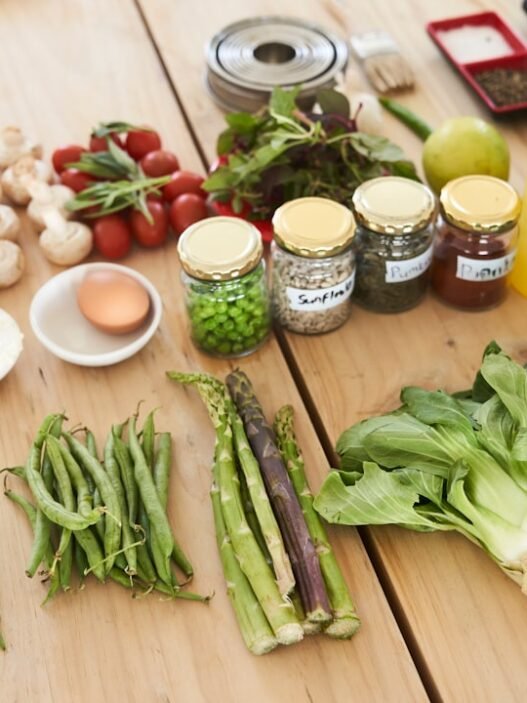
1. Roasting a large tray of diverse vegetables: broccoli, bell peppers, sweet potatoes, carrots. These can be added to salads, wraps, grain bowls, or scrambled eggs.
2. Preparing a batch of a complex carbohydrate: quinoa, brown rice, or farro. This serves as a base for many meals.
3. Cooking a versatile protein: grilled chicken breast, roasted chickpeas, or hard-boiled eggs.
4. Washing and chopping greens: for quick salads or smoothie additions.
“The goal isn’t to have every meal pre-packaged, but to have a variety of healthy options readily available,” she stated. “This approach dramatically reduces the mental load during busy weeknights. When you’re tired after a long day, having pre-chopped veggies and cooked grains makes the difference between throwing together a nutrient-rich meal and reaching for takeout. This strategy also aligns with findings in behavioral economics, suggesting that reducing cognitive load around food choices significantly increases adherence to healthy eating patterns.”
Finally, we tackled the elephant in the room for many: how to maintain balance and grace when life inevitably throws a curveball. “Perfection is the enemy of progress when it comes to healthy habits,” Dr. Vance wisely asserted. “We’re all human. There will be days when the best-laid plans unravel, when a craving for something indulgent strikes, or when unexpected events derail our kitchen ambitions. The key is gentle consistency, not rigid adherence.”

She shared a comforting anecdote: “I once had a client who felt immense guilt every time she deviated from her meal prep plan. We worked on shifting her perspective from ‘failure’ to ‘data collection.’ We acknowledged that a single less-than-ideal meal doesn’t erase days of nourishing choices. Instead, we focused on the 80/20 rule: aim for nutrient-dense, homemade meals 80% of the time, allowing for flexibility and occasional treats the other 20%. This small mental shift, coupled with ensuring she always had a few ’emergency’ healthy snacks on hand – like a handful of almonds, an apple, or a pre-portioned container of hummus and carrots – empowered her to navigate those imperfect moments without guilt or giving up entirely.”
This flexible approach, grounded in self-compassion, is paramount. As the Harvard T.H. Chan School of Public Health frequently emphasizes, sustainable dietary patterns are those that are adaptable and enjoyable, rather than restrictive. It’s about building a compassionate relationship with yourself and your food choices.
The journey to mastering meal prep, Dr. Vance concluded, isn’t just about the food itself, but about cultivating a more harmonious and supportive relationship with our daily routines and, ultimately, ourselves. It’s about finding that sweet spot where nourishment feels both effortless and deeply fulfilling.
As our illuminating discussion on mastering meal prep draws to a close, a few profound truths about our relationship with food and well-being gently settle into focus. What truly emerged from our conversation isn’t just a collection of efficient cooking strategies, but a powerful invitation to redefine what ‘busy’ means for our health.
First, the wisdom shared underscored that meal preparation is, at its heart, an act of intentional self-care, not simply a chore. It shifts us from reactive eating – grabbing whatever is convenient – to a proactive stance, where each planned meal becomes a deliberate investment in sustained energy, clearer focus, and robust health. This isn’t about perfection, but about consistent, gentle nurturing, choosing foods that genuinely serve our bodies and minds. The expert’s insights reminded us that understanding the functional benefits of ingredients – how adaptogens support stress resilience, or how fiber nurtures a thriving gut microbiome – transforms cooking into a powerful tool for wellness, moving beyond mere calorie counting to deep, nutrient-dense nourishment.
Secondly, we learned that true health isn’t built on grand, overwhelming gestures, but on consistent, achievable micro-actions. By dedicating a focused hour or two to preparation, we reclaim control over our daily nutrition, demystifying healthy eating even amidst the most demanding schedules. This approach fosters a balanced, trusting relationship with food, replacing guilt with empowerment and stress with thoughtful planning. It creates a sustainable rhythm that supports blood sugar regulation and stable energy, allowing us to navigate our busy lives with grace and vitality.
Reflecting on these insights, I felt a familiar warmth, a gentle reminder that my own Sunday afternoon ritual of chopping vegetables and simmering broths is far more than just ‘cooking.’ It’s a quiet act of self-love, a commitment to consistent energy and mental clarity throughout the demanding week ahead. There have certainly been times when the sheer thought of meal prep felt daunting after a hectic week, leading to easy, less nourishing choices. But the expert’s gentle reminder to focus on progress, not perfection, resonated deeply, reinforcing the idea that even a small batch of roasted root vegetables or a pre-soaked pot of lentils can profoundly impact the week’s nutritional landscape. It reinforced the joy of building vibrant, anti-inflammatory meals, grounded in real ingredients and informed by functional nutrition.
For those ready to embrace this journey, consider these simple next steps: Perhaps start small – choose just one component, like perfectly roasted sweet potatoes or a batch of protein-rich quinoa, to prepare on a quieter evening. Or, challenge yourself to rethink one daily meal habit; if lunch often feels chaotic, focus on prepping just your midday meal for a few days. Explore a new nutritious ingredient from the recipes implicitly shared in our conversation, perhaps experimenting with the versatility of lentils for gut health or integrating more colorful, antioxidant-rich berries into your morning routine.
Ultimately, remember that healthy eating isn’t about rigid rules, endless restrictions, or chasing an unattainable ideal. It’s a beautiful, ongoing journey of discovery, connection, creativity, and deep care for the incredible vessel that carries us through life. Let your kitchen be a sanctuary, a place where nourishment meets joy, and where every meal prepared is a quiet declaration of self-love.
REMINDER: Every Post Can ONLY Claim Per Day ONCE
Pls Proceed to NEXT Post!