











# How to Build Endurance for Healthy Aging & Lifelong Vitality
I remember staring at my reflection, not in a mirror, but in the grim sheen of my own sweat on the gym floor. I’d just finished a 30-minute “easy” run – a pace that felt anything but easy. My lungs burned, my legs screamed, and my mind was a chaotic mess of self-doubt. This was supposed to be my escape, my path to feeling better, stronger, more alive. Yet, at 38, I felt like I was constantly battling a current, gasping for air. I wasn’t just feeling physically drained; my energy levels for work, for my family, for life itself were flagging. It was a familiar frustration, a slow, insidious erosion of the vitality I remembered from my younger years. This wasn’t about looking good in a swimsuit anymore; it was about feeling good in my own skin, having the stamina to chase my kids, to tackle demanding projects, to simply live without constantly feeling depleted.
In a world that demands more from us every day – more focus, more output, more resilience – the conversation around “health” often gets sidetracked by aesthetics or quick fixes. But beneath the surface, a deeper, more profound shift is happening: we’re realizing that true longevity and peak performance aren’t just about avoiding illness; they’re about cultivating a robust, adaptable system that can thrive under pressure and recover gracefully. This isn’t just a personal quest; it’s a strategic imperative for navigating the complexities of modern life. We’re not just training our bodies; we’re fortifying our minds and our very capacity for a full, vibrant existence well into our later years. It’s about building endurance, not just for a marathon, but for the marathon of life itself.
The Strategic Pillars of Lifelong Stamina
Building endurance for healthy aging isn’t about hitting one peak and then gracefully declining. It’s about cultivating operational resilience – a system that can adapt, recover, and continue to perform under varying loads. Here’s what I’ve learned truly moves the needle:
# 1. The Underrated Power of Zone 2 Training: Building Your Aerobic Engine
Let’s be honest, we’re often drawn to the high-intensity fireworks. The sprints, the HIIT, the “feel the burn” mentality. And yes, those have their place. But if you want a robust, long-lasting engine, you need to spend significant time in Zone 2. This is where the magic happens at a cellular level.
Operator-Perspective: Think of your body as a manufacturing plant. Zone 2 training (exercising at an intensity where you can comfortably hold a conversation, typically 60-70% of your max heart rate) is like optimizing your energy production lines. It enhances mitochondrial function – those tiny powerhouses in your cells that convert fat and oxygen into usable energy. The more efficient your mitochondria, the better your body is at clearing lactate (the stuff that makes your muscles burn), improving your metabolic flexibility, and boosting your VO2 max over time. I used to skip these “easy” sessions, thinking they weren’t productive. My endurance stagnated. When I committed to three to four 45-60 minute Zone 2 sessions a week, I noticed a dramatic shift in my overall energy levels, not just during workouts but throughout my day. It wasn’t about pushing harder; it was about training smarter.

# 2. Strength Training: More Than Just Muscle, It’s About Bone & Joint Resilience
Many people hear “endurance” and think only cardio. But try running, cycling, or even walking long distances with weak glutes, hamstrings, or a shaky core. It’s a recipe for injury and inefficiency. Strength training is the foundational layer upon which sustainable endurance is built.
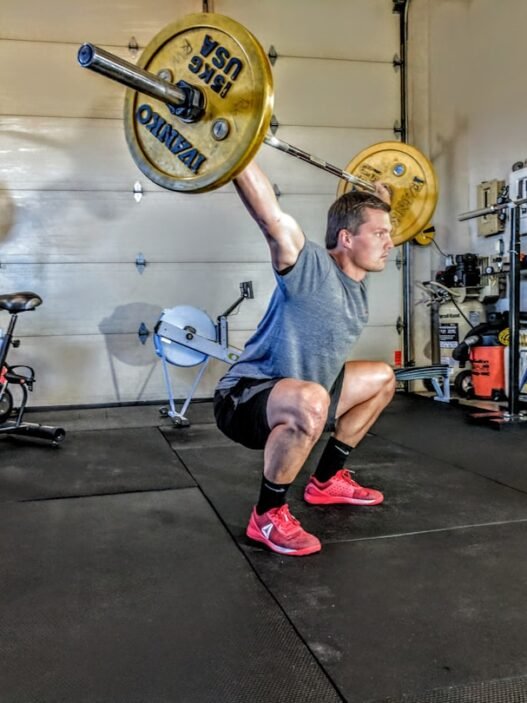
Case-Study Style: Consider the professional runner whose career was derailed by recurring knee pain. After extensive analysis, it wasn’t an issue with their running form per se, but a significant imbalance and weakness in their hip abductors and glutes. Without the stability provided by strong muscles, the joints take an undue load. For us mere mortals aiming for healthy aging, this is even more critical. Strength training, particularly compound movements like squats, deadlifts, presses, and rows, not only builds muscle mass (which naturally declines with age, a process called sarcopenia) but also strengthens bones and connective tissues. Stronger muscles support your joints, improve your movement mechanics, and allow you to sustain endurance activities with less risk of injury and greater efficiency. I initially resisted lifting heavy, fearing it would make me “bulky” or slow. What I found was increased power, reduced aches, and the ability to maintain a strong pace for much longer without feeling like my body was falling apart.
# 3. The Recovery Protocol: Retention Over Acquisition
In the business world, we obsess over customer acquisition. But smart operators know retention is king. In fitness, recovery is your ultimate retention strategy. You can “acquire” all the hard workouts you want, but without proper recovery, you’re just driving your system into the ground.
Trend Analysis & Personal Opinion: There’s a growing understanding that rest isn’t passive; it’s an active component of training. Sleep, for instance, isn’t downtime; it’s prime repair time. During deep sleep, your body releases growth hormone, repairs muscle tissue, and consolidates memories. Chronic sleep deprivation elevates cortisol (the stress hormone), impairs glucose metabolism, and suppresses your immune system – effectively undermining all your hard work. Beyond sleep, consider active recovery (light walks, stretching, foam rolling), nutrient timing, and stress management techniques like meditation or breathwork. I used to wear lack of sleep as a badge of honor. My performance suffered, my mood was volatile, and I was constantly battling minor illnesses. Prioritizing 7-9 hours of quality sleep, integrating regular mobility work, and even just taking 10 minutes to decompress daily transformed my ability to recover and perform consistently. It’s not about being soft; it’s about being strategically smart about your operational bandwidth.

# 4. Fueling for Performance & Longevity: Your Body’s Supply Chain
You wouldn’t run a high-performance machine on low-grade fuel. Your body is no different. What you put into it directly impacts your energy, recovery, and long-term health.
Data-Driven & Personal Opinion: While individual needs vary, the general principle is clear: prioritize whole, unprocessed foods. Focus on a diverse array of colorful vegetables and fruits, lean proteins, healthy fats, and complex carbohydrates. These provide the micronutrients, antioxidants, and sustained energy your body needs. For endurance, understanding carbohydrate timing is crucial – adequate intake before and during longer sessions, and replenishment afterward, is key for glycogen stores. But equally important is reducing inflammatory foods (processed sugars, unhealthy fats) that can hinder recovery and contribute to chronic disease. I used to view food as just fuel for workouts, often relying on quick, processed options. My gut health suffered, my energy would spike and crash, and I felt generally “off.” Shifting to a more mindful approach, focusing on nutrient-dense meals with plenty of fiber, high-quality protein, and healthy fats, stabilized my energy, improved my digestion, and made me feel more resilient overall. It’s about optimizing your internal supply chain, not just for today’s workout, but for decades of vitality.
# 5. The Mindset Game: Cultivating Mental Fortitude
Endurance isn’t just physical; it’s profoundly mental. The ability to push through discomfort, maintain focus when fatigue sets in, and stay consistent even when motivation wanes is a learned skill.
Psychological Insight: Think of it as developing “cognitive endurance.” Your brain, like your muscles, can be trained. Techniques like mindfulness, visualization, and breaking down long tasks into smaller, manageable chunks are powerful. When a long run feels overwhelming, focusing on the next lamppost, or just the next 5 minutes, can make all the difference. Understanding that discomfort is temporary and often signals growth, not catastrophe, is a game-changer. I vividly remember hitting “the wall” during a particularly challenging cycling event. My legs felt like lead, my mind screamed “quit.” But instead of giving in, I focused on my breath, reminded myself of all the training I’d put in, and visualized crossing the finish line. That mental push allowed me to persevere. It was a reminder that the biggest obstacle often isn’t the physical demand, but the story you tell yourself about* the physical demand. Developing this mental resilience isn’t just for athletes; it’s a critical skill for navigating the ups and downs of life with greater calm and persistence.

Long-term health success isn’t about achieving a single, isolated peak. It’s about designing a lifestyle system that fosters continuous improvement and robust adaptability, much like an intelligent, well-managed enterprise. It’s recognizing that every choice – from what we eat to how we recover to how we talk to ourselves – is an input into that system, dictating its output for years to come.
The Breakthrough: Sustained Action for a Vibrant Future
My journey from gasping for air on the gym floor to confidently tackling longer distances and feeling genuinely energetic throughout my week wasn’t a sudden transformation. It was a gradual accumulation of small, consistent actions, each backed by a growing understanding of how my body truly works. It taught me that building endurance for healthy aging isn’t about chasing fleeting trends or punishing ourselves into shape. It’s about a strategic, empathetic partnership with our own bodies. It’s a commitment to treating ourselves like the high-performance machines we are, deserving of good fuel, adequate rest, and consistent, intelligent maintenance.
The real breakthrough came when I stopped seeing exercise as a chore and started viewing it as an investment – an investment in my present vitality and my future self. It’s about empowering yourself to have the energy for what truly matters, whether that’s a demanding career, adventurous travel, or simply being fully present for the people you love. Small, consistent shifts – adding a Zone 2 walk, incorporating two strength sessions, prioritizing an extra hour of sleep – accumulate into profound changes. You don’t need to overhaul your entire life overnight. Start where you are, with what you have. The journey of lifelong vitality begins with that first intentional step, that first smart choice. It’s a testament to the fact that you are the most critical asset you have, and your health is the foundation of everything else. Invest in it wisely, consistently, and with unwavering belief in your own capacity for growth.
For further exploration, consider delving into the burgeoning field of AI personalization in fitness to tailor your training and nutrition even more precisely, exploring community-driven wellness brands for motivation and accountability, and understanding the role of operational resilience frameworks in managing your body’s energy and recovery systems.
Please watched this video till the end to earn 5 PCoins
REMINDER: Every Post Can ONLY Claim Per Day ONCE
Pls Proceed to NEXT Post!