








How to Age Better: Cardio vs Strength Training for Longevity
I remember hitting a wall in my late thirties. Not a physical wall in the gym – I was still running regularly, hitting my mileage, feeling “fit.” But it was a deeper, more insidious kind of frustration. I’d look in the mirror and see someone who was functionally okay, but not thriving in the way I envisioned for my future self. My back would occasionally ache after a long run, lifting anything heavy felt precarious, and the idea of truly “playing” with my kids without apprehension felt like a distant dream. I was doing “cardio” because that’s what we’d always been told was the gold standard for health and a long life. Heart health, right? But the vibrancy, the robustness, the sheer resilience I craved seemed to be eluding me.
It was a classic trap, one many of us fall into in the fast-paced world of health and wellness: latching onto one piece of the puzzle and hoping it completes the whole picture. For years, I’d implicitly believed that if my heart rate was up and I was sweating, I was winning the longevity game. But the truth, as I was about to discover, was far more nuanced and, frankly, exhilarating. The modern pursuit of longevity isn’t about choosing a single lane; it’s about building a multi-lane highway, paved with diverse forms of movement that address the full spectrum of human capability. We’re not just trying to extend our lifespan; we’re trying to expand our healthspan – the years we live vibrantly, independently, and with genuine zest. This shift in perspective, moving from a narrow focus to a holistic strategy, felt like uncovering a secret weapon, not just for myself, but for anyone looking to truly master the art of aging.
# The Cardio Conundrum: When More Isn’t Always Better
For so long, cardiovascular training reigned supreme. Think about it: when someone says they’re “getting fit,” what’s the first image that comes to mind? Probably someone jogging, cycling, or sweating it out on an elliptical. And there’s good reason for that. Aerobic exercise undeniably strengthens your heart, improves blood circulation, boosts your VO2 max (a key indicator of aerobic fitness), and significantly lowers your risk of chronic diseases like heart disease, stroke, and type 2 diabetes. My own journey started here, logging countless miles, chasing personal bests in local races. I felt good, but also increasingly fragile. I started noticing friends who solely focused on cardio seemed to hit injury roadblocks more often. Shin splints, knee pain, lower back issues – the repetitive impact, while great for the heart, wasn’t necessarily fortifying the underlying structural integrity of their bodies against the relentless march of time.
I remember a conversation with a physical therapist after yet another minor tweak in my knee. He put it bluntly: “Your engine is great, but your chassis is starting to rattle.” That analogy stuck with me. While my heart was a finely tuned machine, the muscles, bones, and connective tissues supporting it weren’t receiving the same attention. This isn’t to say cardio is bad – far from it. It’s foundational. But relying solely on it is like trying to build an empire with a brilliant sales team but no robust operations or product development. You’ll acquire customers, but you might struggle with retention and long-term resilience.
# Strength’s Unsung Symphony: Building Your Biological Bank Account
Then came strength training, not as an alternative, but as a revelation. Initially, I approached it tentatively, worried about “getting bulky” or injuring myself. But what I discovered was a profound, multi-faceted impact that went far beyond aesthetics. The science is incredibly compelling: regular strength training doesn’t just build muscle; it’s a powerful antidote to sarcopenia (age-related muscle loss), which begins as early as our 30s and accelerates rapidly later in life. Losing muscle doesn’t just mean less strength; it means decreased metabolic rate, poorer balance, increased risk of falls, and a significant reduction in overall quality of life.

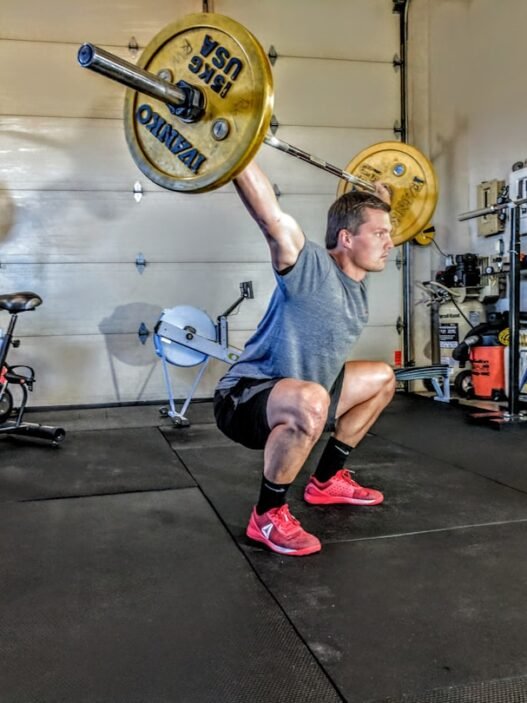
Consider the data: studies consistently show that individuals with greater muscle mass and strength have lower rates of all-cause mortality. It’s a biological bank account you’re depositing into, ensuring you have the reserves to handle life’s demands. Beyond muscle, strength training fortifies your bones, enhancing bone mineral density and significantly reducing the risk of osteoporosis and fractures. It improves insulin sensitivity, making your body better at managing blood sugar – a critical factor in staving off type 2 diabetes. For me, the transformation was palpable. Lifting weights, learning proper form, feeling my body respond – my nagging back pain diminished, my knees felt more stable, and suddenly, “playing” with my kids involved confidently swinging them around, not just spectating. It felt like I was proactively building resilience, not just reacting to decline.
# The Synergy Solution: Orchestrating a Harmonious Fitness Strategy
The real magic, the true strategic breakthrough for longevity, lies not in choosing one over the other, but in intelligently combining both. It’s the difference between a single-product company and a diversified portfolio that leverages complementary assets. Think of your fitness strategy as a balanced investment fund: you need stable, long-term growth (cardio) and robust, high-impact assets (strength training) to weather market fluctuations and ensure sustained success.
The American College of Sports Medicine (ACSM) recommends at least 150 minutes of moderate-intensity aerobic activity per week, alongside strength training for all major muscle groups at least two non-consecutive days per week. This isn’t arbitrary advice; it’s a carefully crafted framework based on extensive research. For me, this translated into a weekly rhythm that felt energizing, not draining:
2-3 days of full-body strength training: Focusing on compound movements (squats, deadlifts, presses, rows) that mimic real-life movements.
2-3 days of varied cardio: Sometimes a longer, steady-state run, other times a high-intensity interval training (HIIT) session, or even just a brisk walk with the family.
1-2 days of active recovery or rest: Crucial for allowing the body to adapt and rebuild.
This blended approach ensures I’m addressing both my cardiovascular health and my musculoskeletal integrity, creating a robust system that’s prepared for whatever life throws my way.
# Beyond the Physical: The Mind-Muscle-Spirit Connection
While the physiological benefits are undeniable, what often goes unmentioned is the profound psychological impact of a balanced training regimen. Longevity isn’t just about how long your heart beats; it’s about the quality of your thoughts, your emotional resilience, and your ability to navigate stress. This is where exercise, especially strength training, became a powerful tool for mental fortitude. The discipline of lifting, pushing past perceived limits, recovering, and seeing tangible progress, builds a powerful sense of self-efficacy.
I started to view each workout not just as a physical task, but as a meditation in focused effort. That feeling of accomplishment, of having intentionally built something – whether it’s a stronger squat or a longer run – translates directly into improved mood, reduced anxiety, and enhanced cognitive function. It’s a powerful feedback loop: a stronger body supports a clearer mind, which in turn empowers better decision-making about health and lifestyle. This holistic integration of body and mind is often the secret ingredient in truly sustainable health transformations, mirroring how successful brands understand that customer loyalty isn’t just about product features, but about the emotional connection and problem-solving they offer.
# Longevity is a Lifestyle, Not a Sprint: The Power of Consistent Action
Ultimately, the most sophisticated strategy, the most impressive scientific insight, means nothing without consistent, intentional action. We’re not looking for quick fixes or viral hacks; we’re building a sustainable operational model for our bodies. Just as a business thrives on consistent value delivery and continuous improvement, our bodies flourish when given regular, varied stimuli. There will be days when motivation lags, when life throws curveballs, when the gym feels like the last place you want to be. I’ve had plenty of those.

But the lesson I’ve learned is that showing up, even imperfectly, is always better than not showing up at all. A lighter workout, a shorter run, a few bodyweight exercises at home – these consistent deposits accumulate over time, much like the power of compound interest. This isn’t about perfection; it’s about persistence, adaptability, and listening to your body’s signals. It’s the long game, played with strategic patience and unwavering commitment to your future self.
# The Breakthrough: Investing in a Vibrant Future
My journey from a cardio-centric view of fitness to embracing the synergistic power of both aerobic and strength training has been nothing short of transformative. It wasn’t about choosing sides in a debate; it was about integrating the best of both worlds to create a truly resilient, vibrant, and capable body. Aging better isn’t a passive process; it’s an active, ongoing investment. It’s about taking proactive steps to fortify your body, sharpen your mind, and fuel your spirit.
What I learned through my own struggles and breakthroughs is that the biggest obstacle wasn’t my schedule, it was my mindset – the belief that there was a single “right” way. The real right way is your* way, an intelligently crafted approach that blends the cardiovascular resilience of a runner with the functional strength of a seasoned lifter.
So, where do you start? Begin with small, consistent actions. Integrate strength training twice a week, even if it’s just 30 minutes with bodyweight or resistance bands. Weave in consistent cardio that you genuinely enjoy. This isn’t about chasing fleeting trends; it’s about building enduring health. Recognize that every rep, every step, every moment of intentional movement is a deposit into your longevity account. It’s an investment that pays dividends not just in years added to your life, but in life added to your years.
Consider exploring how personalized fitness coaching, perhaps leveraging AI-driven analytics from wearables, can help tailor a program that perfectly aligns with your unique needs and goals. And don’t underestimate the power of community – joining a group fitness class or finding an accountability partner can transform sporadic efforts into sustainable habits. The future of aging isn’t about resignation; it’s about empowerment, fueled by intelligent strategy and consistent, human action. It’s time to claim your vitality, today and for decades to come.
Please watched this video till the end to earn 5 PCoins

REMINDER: Every Post Can ONLY Claim Per Day ONCE
Pls Proceed to NEXT Post!