











The early morning light filtering through the kitchen window always holds a particular magic for me. It’s a quiet promise, a canvas awaiting the first brushstrokes of the day’s nourishment. Sometimes, it’s the rhythmic whir of a blender transforming greens and berries into a vibrant elixir, a testament to a gut reset journey that began years ago. Other times, it’s the comforting scent of herbs simmering gently, a ritual learned from countless culinary explorations that profoundly shifted my energy, moving me from sluggishness to a sustained, clear focus. This isn’t just about food; it’s about the conscious act of bringing vitality into being, one thoughtful ingredient at a time. It’s a holistic approach, where the kitchen becomes a sanctuary and food, a gentle medicine.
In a world increasingly driven by convenience, where fast solutions often overshadow foundational wisdom, the simple act of preparing a nourishing meal can feel like a revolutionary act. We’re witnessing a profound economic and lifestyle shift, with more people seeking the comfort and control of home cooking, yet simultaneously grappling with the relentless pace of modern life. Alongside this, there’s a growing skepticism around fragmented, often contradictory, nutrition advice floating through digital spaces. How do we reclaim our kitchens, our health, and our time without succumbing to burnout or generic health claims?
This question brought me to the doorstep, metaphorically speaking, of one of the culinary world’s most revered figures: Chef Alice Waters. Her name is synonymous with the farm-to-table movement, a philosophy that has not just shaped menus but fundamentally reshaped our relationship with food. Waters isn’t just a chef; she’s a visionary who, for decades, has advocated for eating locally, seasonally, and simply, long before it became a trend. Her work at Chez Panisse transformed dining into an experience rooted in purity and respect for ingredients. What truly sets her apart is not just her gastronomic genius, but her unwavering belief in food as a conduit for connection, well-being, and even societal change. She champions an approach that instinctively resonates with functional nutrition principles, emphasizing ingredients in their most vibrant, whole forms. It’s a testament to her enduring influence that her wisdom feels more pertinent now than ever, offering a grounded antidote to the frenetic energy of our times.
We embarked on a conversation that peeled back the layers of her legendary approach, not through complex culinary techniques, but through the elegant simplicity of mindful meal preparation – the true secret weapon for busy weeks.
The day I spent observing Chef Waters’ process wasn’t in the bustling professional kitchen one might expect, but rather in a sun-drenched, remarkably serene space that felt more like a generous home kitchen. Her movements were economical, almost meditative, as she handled fresh produce. There was a quiet intensity in her gaze as she selected a vibrant bunch of radishes, their greens still spritzed with dew. She didn’t preach; she demonstrated, her insights unfolding like gentle lessons on the art of living well through food.
“It’s not about grand gestures,” she began, her voice soft yet firm, as she began to trim the radish greens, setting them aside for another use. “It’s about understanding what each ingredient wants to offer, and respecting that.” This notion, I realized, was the bedrock of her “pro secrets” – a profound understanding of nutritional function, translated into daily practice. She wasn’t just prepping; she was composing, building a foundation for nourishing meals that would sustain for days.

I watched as she took a handful of organic quinoa, rinsing it meticulously. “Whole grains are the unsung heroes of a busy week,” she explained, stirring the rinsed quinoa into a pot with a precise amount of water. “They offer sustained energy through complex carbohydrates and dietary fiber. Fiber, as research from institutions like Harvard T.H. Chan School of Public Health consistently shows, is crucial for gut health, helping to regulate digestion and support a healthy microbiome.” She emphasized that a balanced gut flora is increasingly linked to everything from immune function to mood regulation, illustrating how simple choices ripple into profound physiological benefits.
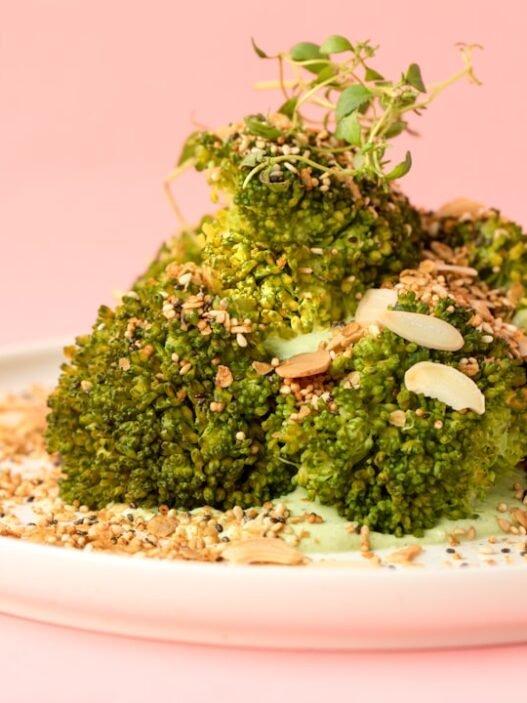
Her method was to cook large batches of staples like quinoa, lentils, and roasted vegetables. She moved to a tray of vibrant seasonal vegetables—broccoli florets, slices of sweet potato, and thick wedges of red onion—drizzling them with olive oil and a sprinkle of sea salt. “Roasting brings out their natural sweetness and breaks down some of the fibers, making them easier to digest,” she noted, sliding the tray into a hot oven. “These aren’t just ‘side dishes.’ The broccoli, for instance, is rich in sulforaphane, a compound that some studies suggest has potent antioxidant and anti-inflammatory properties, supporting cellular health. Sweet potatoes offer beta-carotene, a precursor to Vitamin A, essential for vision and immune function, and they help stabilize blood sugar levels due to their fiber content, preventing the sharp spikes and crashes often associated with simpler carbohydrates.” It was a masterclass in functional nutrition, presented not as a lecture, but as an intuitive aspect of good cooking.
One of her key “secrets” emerged as she prepped a large bowl of a simple vinaigrette. “Always have a good dressing on hand,” she advised. “It elevates everything, from a bowl of greens to leftover grains. And it prevents waste.” She shared a simple recipe: good quality extra virgin olive oil, apple cider vinegar (which she noted, citing traditional wisdom and emerging research, can aid digestion and blood sugar management), a touch of Dijon mustard, salt, and pepper. “The healthy fats from the olive oil are crucial for nutrient absorption, particularly fat-soluble vitamins, and provide essential fatty acids that support brain health and reduce inflammation, as countless studies underscore.”
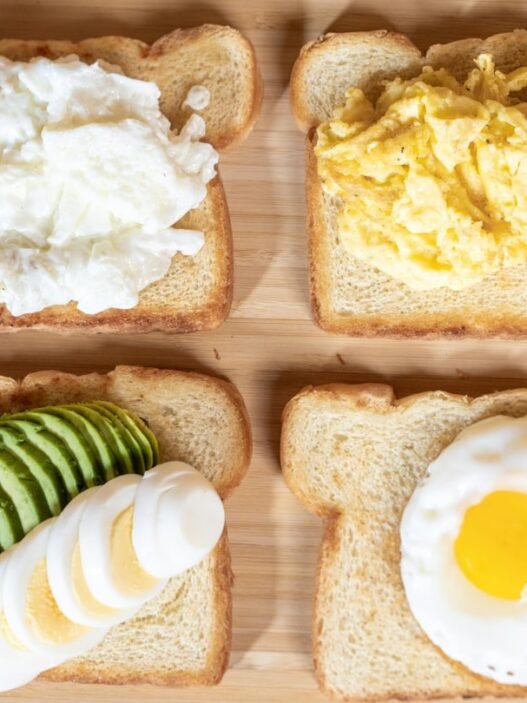
What struck me most was her approach to protein. Instead of pre-cooking large quantities of meat, she advocated for smaller, strategic preparations. She might poach a few chicken breasts or hard-boil a dozen eggs, but she emphasized the freshness of adding protein closer to consumption. “Eggs are incredible; a complete protein, packed with choline for brain health. They’re a quick addition to any meal, whether it’s a salad, a grain bowl, or even a quick scramble with those reserved radish greens.” She acknowledged that sometimes, despite the best intentions, a busy day can derail even the most organized plans. “I’ve had my share of those days,” she admitted with a gentle smile. “The key isn’t perfection, but having a few flexible components ready. A simple omelet with whatever vegetables are on hand, or a handful of nuts and seeds, can be a lifesaver. It’s about building a repertoire of reliable, nourishing fallback options, not about rigid adherence.” This gentle acknowledgement of human imperfection felt deeply reassuring, a genuine invitation to a sustainable approach, not an unattainable ideal.
She then pointed to a jar of homemade fermented vegetables, bubbling gently on a counter. “These are my little helpers,” she said. “Fermented foods are a wonderful source of probiotics, which are live microorganisms that contribute to a healthy gut microbiome. There’s a growing body of scientific evidence linking a diverse gut flora to improved digestion, enhanced immunity, and even better mental well-being—the gut-brain axis is a fascinating area of study right now.” It was a simple, yet profound, insight into how everyday kitchen practices could actively support complex physiological processes. Her quiet confidence in the power of real food was almost palpable, leaving an impression of quiet, profound wisdom.

In an age saturated with quick fixes and often misleading dietary fads, Chef Alice Waters’ philosophy is a grounding force. Her advice transcends mere recipes, offering a blueprint for a life lived in harmony with the natural rhythms of nourishment. It’s an invitation to cultivate a deeper relationship with our food, to see it not as a source of stress or deprivation, but as a wellspring of vitality.
The core takeaway from our time together is elegantly simple: strategic, mindful meal prep isn’t a chore; it’s an act of self-care. It’s about building a scaffold of nourishing components that allow for flexible, delicious, and deeply satisfying meals throughout the week, even when life throws its inevitable curveballs.
As she concluded, Chef Waters offered a final, resonant thought, “The greatest luxury is not extravagance, but simplicity, and the deepest pleasure is the taste of true food, truly prepared, that nourishes you wholly.”
Embracing this holistic perspective means approaching our kitchens with curiosity, experimenting deliberately with fresh, seasonal ingredients, and building resilience through adaptable meal routines. It means practicing empathy for ourselves on busy days and continuously learning about the profound connection between what’s on our plate and how we feel. Ultimately, it’s about reframing food from a source of anxiety to a daily celebration of wellness. What if we viewed every meal as an opportunity to connect, to heal, and to thrive?
Please watched this video till the end to earn 5 PCoins

REMINDER: Every Post Can ONLY Claim Per Day ONCE
Pls Proceed to NEXT Post!