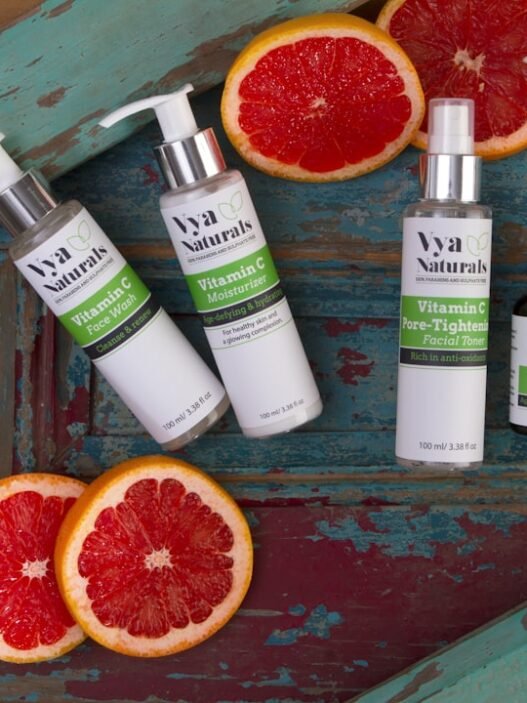








Best Ways to Maximize Skincare Results with At-Home Chemical Peels
Remember that one time you thought you were doing something good for your skin, only to wake up looking like a tomato that spent too much time in the sun? Yeah, that was me, post-my first enthusiastic foray into at-home chemical peels. It was an impulsive decision, driven by the seductive promise of clinic-level radiance from the comfort of my bathroom. I’d seen the flawless complexions on social media, the testimonials raving about transformative glow, and frankly, I was tired of my own dullness and stubborn post-inflammatory hyperpigmentation. I clicked ‘add to cart’ without fully grasping the power I was about to wield, and the result was less ‘glowing goddess’ and more ‘sunburned crypt-keeper.’
This initial, slightly terrifying experience taught me a profound lesson: the world of at-home chemical peels is a powerful landscape, brimming with potential for incredible results, but also ripe for missteps if approached without knowledge and respect. Today, with countless brands offering everything from gentle lactic acid toners to more potent glycolic and salicylic acid solutions, it’s easy to get lost. The beauty industry has democratized treatments once reserved for dermatologists, bringing effective, sophisticated formulas to our vanities. But this accessibility comes with a responsibility: to understand the science, listen to our skin, and manage our expectations. My journey from peel-induced redness to genuinely radiant skin wasn’t about finding a magic product; it was about truly understanding how to maximize these potent tools safely and effectively. It’s a pursuit that transcends mere product application, touching on skin biology, the psychology of self-care, and the critical importance of a considered, informed approach.
# The Double-Edged Sword of Exfoliation: Unpacking the Science
My “tomato face” incident illuminated the crucial first step: understanding what a chemical peel actually does. It’s not just a fancy mask; it’s a controlled exfoliation process designed to shed dead skin cells, revealing the brighter, smoother skin underneath. But how it does this varies wildly depending on the acid used.
My early mistake was treating all acids as interchangeable. It took some serious digging, past the pretty packaging and marketing jargon, to truly grasp the differences between AHAs (alpha hydroxy acids) like glycolic and lactic acid, and BHAs (beta hydroxy acids) such as salicylic acid.
Insight 1: Know Your Acids – It’s Not a One-Size-Fits-All Solution
Think of AHAs as your surface refiners. They’re water-soluble, meaning they work primarily on the skin’s surface, dissolving the glue that holds dead skin cells together. Glycolic acid, derived from sugar cane, has the smallest molecular size, allowing it to penetrate most effectively for general exfoliation, improving skin texture, tone, and signs of sun damage. Lactic acid, from sour milk, is a larger molecule, making it gentler and often more hydrating, a great option for sensitive or drier skin types.
BHAs, specifically salicylic acid, are oil-soluble. This unique property allows them to penetrate into the pores, making them excellent for targeting clogged pores, blackheads, whiteheads, and acne. If you struggle with oily skin or breakouts, salicylic acid is often your best friend, as it can de-gunk pores from the inside out.
Understanding this fundamental difference is non-negotiable. Applying a high-percentage glycolic acid peel when your primary concern is deep-set blackheads might give you surface smoothness but won’t address the root issue in the same way a BHA would. Similarly, relying solely on salicylic acid for overall texture and hyperpigmentation might leave you wanting more of that surface-level glow that AHAs excel at. According to a comprehensive review in the Journal of Clinical and Aesthetic Dermatology, the choice of acid, its concentration, and its pH level are critical determinants of a peel’s efficacy and safety profile, emphasizing that a lower pH generally increases the bioavailability of the acid, making it more potent.

Insight 2: The Art of Preparation – Setting the Stage for Success
Before you even think about applying that peel, your skin needs to be a clean, neutral canvas. This might sound obvious, but it’s where many, including my past self, cut corners. I once applied a peel right after using a harsh cleanser, thinking ‘super clean equals super receptive.’ Big mistake.
Mistake → Lesson Transformation: Aggressive cleansing or using other active ingredients (like retinoids or strong vitamin C serums) immediately before a peel can compromise your skin barrier, leading to increased irritation, redness, and even chemical burns. Think of your skin barrier as your skin’s bouncer; if it’s weakened, harmful things get in too easily.
Dermatologists are vocal advocates for gentle preparation. Dr. Loretta Ciraldo, a board-certified dermatologist and founder of Dr. Loretta Skincare, often stresses the importance of discontinuing all other potent actives for at least 3-5 days before an at-home peel. This allows your skin to stabilize and reduces the risk of an adverse reaction. Your prep routine should be simple: cleanse with a mild, pH-balanced cleanser, rinse thoroughly, and pat dry. Ensure your skin is completely dry before application, as water can dilute the acid or cause uneven penetration, leading to hot spots. This meticulous approach isn’t just about preventing irritation; it’s about optimizing the peel’s ability to work evenly and effectively, allowing your skin to reap the maximum benefits without unnecessary stress.
Insight 3: Patch Testing isn’t Optional; It’s Your Skincare Insurance
I used to think patch testing was for people with super sensitive skin. My skin was “normal,” right? So, I skipped it. And my face paid the price. Patch testing is for everyone.
Framework Breakdown: This isn’t just a suggestion; it’s a non-negotiable step in any intelligent at-home peel strategy. Pick an inconspicuous area, like behind your ear or a small spot on your jawline. Apply a tiny amount of the peel according to the product’s instructions, leave it on for the recommended time (or even less for the first test), rinse, and observe for 24-48 hours. Look for excessive redness, itching, burning beyond a mild tingle, or blistering. If you see any severe reactions, the peel is not for you. This simple step can save you days, or even weeks, of recovery and discomfort. It’s akin to a scientist running a small-scale experiment before launching a full-blown trial, ensuring predictable outcomes and minimizing risk. This proactive measure builds an essential layer of trustworthiness between you and your skincare routine.
Insight 4: Application & Timing – Precision is Power
Once you’ve prepped and patch-tested, the actual application requires precision. Forget slapping it on like a moisturizer.
Tactical Steps:
1. Read Instructions Meticulously: Every peel is different. Follow the brand’s specific guidelines for application method (cotton pad, brush, fingers), duration, and neutralization.
2. Even Application: Use a thin, even layer. Uneven application can lead to some areas getting more exfoliation than others, resulting in uneven tone or irritation.
3. Start Low and Go Slow: If it’s your first time with a particular peel, or if your skin is generally sensitive, start with a shorter contact time than recommended. If the instructions say “leave on for 5-10 minutes,” try 2-3 minutes for your first session. You can always increase the duration gradually in subsequent sessions as your skin builds tolerance.
4. Listen to Your Skin: A mild tingle is normal. Intense burning, stinging, or discomfort is not. If you experience severe pain, rinse immediately with cool water and follow with a gentle, soothing cleanser.
5. Neutralization: Some peels are self-neutralizing, meaning they stop working on their own after a certain time. Others require a separate neutralizing solution or simply thorough rinsing with water. Don’t skip this step if required, as over-exposure can lead to significant irritation.
This methodical approach isn’t just about safety; it’s about maximizing efficacy. Controlled contact time ensures optimal cell turnover without over-stripping, allowing the peel to do its job precisely.
Insight 5: Post-Peel Recovery – Nurture Your New Skin

My initial peel disaster taught me that the journey doesn’t end when you rinse off the acid. The post-peel phase is just as critical, if not more so, than the application itself. Your skin barrier is temporarily compromised, making it more vulnerable to environmental aggressors and moisture loss.
Expert/Operator Perspective: Dermatologists consistently highlight barrier support as paramount after any exfoliating treatment. “After an at-home peel, your skin is essentially ‘raw’ and more susceptible to damage,” notes Dr. Heidi Waldorf, a clinical associate professor of dermatology at Mount Sinai Hospital. “Prioritize hydration, gentle care, and meticulous sun protection.”
Tactical Steps for Post-Peel Care:
Hydrate, Hydrate, Hydrate: Immediately after rinsing, apply a generous amount of a rich, bland moisturizer containing ceramides, hyaluronic acid, or glycerin. These ingredients help replenish the skin’s moisture barrier and soothe any potential irritation.
Sun Protection is Non-Negotiable: Your freshly exfoliated skin is highly sensitive to UV radiation. Apply a broad-spectrum sunscreen with at least SPF 30 every single morning, rain or shine, and reapply throughout the day. This isn’t just about preventing sunburn; it’s crucial for preventing new hyperpigmentation and premature aging.
Avoid Other Actives: Just like before the peel, avoid retinoids, vitamin C serums, physical exfoliants, or other strong acids for several days post-peel. Let your skin recover and heal naturally.
Gentle Cleansing: Stick to a mild, non-foaming cleanser for a few days.
* Listen to Your Skin’s Schedule: Peels should not be used daily. Most at-home peels are designed for weekly or bi-weekly use, depending on their strength. Over-exfoliating will do more harm than good, leading to chronic irritation, redness, and a compromised barrier.
Ultimately, truly maximizing skincare results isn’t about rushing the process; it’s about respecting the skin’s delicate balance and nurturing its resilience at every step.
# Honest Reflection & Actionable Tips
My journey with at-home chemical peels has been a series of learning moments, some slightly painful, others profoundly rewarding. What truly worked for me, after my initial mishap, was embracing a philosophy of informed caution and patient consistency.
I learned that the ideal at-home peel isn’t necessarily the strongest one; it’s the one you can use consistently without irritation, allowing for gradual, cumulative improvements. For me, starting with a lower percentage lactic acid peel once a week, meticulously patch testing, and then graduating to a gentle glycolic acid peel, made all the difference. My skin slowly became more tolerant, and the results — improved texture, reduced hyperpigmentation, and a noticeable glow — were far more satisfying and sustainable than any quick fix I’d initially chased.
What absolutely did not work? Rushing. Ignoring the mild sting that quickly escalated into a burn. Applying a peel to already irritated skin. And perhaps the biggest lesson: not truly understanding my skin’s unique needs and limits. I’m prone to redness, so a gradual approach was essential. Someone with tougher, oilier skin might tolerate a stronger peel more readily, but the principles of patch testing and careful post-care remain universal.
Practical Advice for Your At-Home Peel Journey:
1. Educate Yourself, Relentlessly: Before buying, research the specific acid, its concentration, and recommended usage. Read reviews, but always cross-reference with credible dermatological sources like the American Academy of Dermatology (AAD) or PubMed studies.
2. Start Mild, Build Up: If you’re new to peels, opt for lower concentrations (e.g., 5-10% AHAs) and shorter application times.
3. Invest in Post-Care: A good bland moisturizer and a high-SPF sunscreen are not optional; they are essential partners to your peel.
4. Consistency Over Intensity: Regular, gentle exfoliation yields better, safer, and more lasting results than infrequent, aggressive treatments.
5. Listen to Your Skin: Your skin will tell you what it needs. A little tingle? Normal. Intense burning, persistent redness, or unusual dryness? Stop, hydrate, and consider if that peel is right for you.
6. Don’t Overdo It: Using peels too frequently or combining them with too many other actives will compromise your skin barrier and lead to chronic irritation. When in doubt, scale back.
The allure of at-home chemical peels is undeniable, offering a powerful avenue to revitalize our complexions. But true success in this realm isn’t about quick fixes or chasing unattainable perfection. It’s about empowering yourself with knowledge, approaching these potent tools with respect and a clear strategy, and most importantly, listening to your skin. It’s a journey of continuous learning, but one that, when navigated thoughtfully, can unlock truly transformative results, building not just better skin, but a deeper, more trusting relationship with your own beauty routine.
The pursuit of radiant skin, like any worthy endeavor, thrives on a blend of informed action and disciplined consistency. For those looking to dive deeper, exploring the nuances of ingredient innovation, especially in barrier-repairing compounds, can further elevate your peel strategy. Additionally, considering how to earn and maintain long-term consumer trust in a crowded market speaks volumes to the authenticity and transparency vital for any beauty journey.
Please watched this video till the end to earn 5 PCoins
REMINDER: Every Post Can ONLY Claim Per Day ONCE
Pls Proceed to NEXT Post!