










The scent of freshly chopped herbs, a vibrant green against the wooden board, used to be a rare luxury in my kitchen. For years, weeknight dinners felt like a frantic scramble, a desperate attempt to fend off hunger with whatever processed convenience offered itself. My energy flagged, my digestion felt sluggish, and the joy of food—a cornerstone of my holistic wellness philosophy—was lost in the chaos. It wasn’t until I started to intentionally infuse my kitchen with principles of simplicity and quality, much like those championed by culinary luminaries, that things began to shift. This wasn’t about Michelin stars or elaborate preparations; it was about honoring ingredients and the process, transforming a chore into a mindful ritual.
We live in a world where the lines between professional life and personal space blur, where the digital realm offers an endless scroll of perfectly plated meals, and yet, the simple act of preparing a nourishing meal at home often feels like an insurmountable task. The economic and lifestyle shifts of recent years have nudged more of us back into our kitchens, seeking comfort, control, and better health. But amidst the cacophony of nutrition advice and instant gratification, a significant challenge arises: how do we build trust in the guidance we receive, and how do we make genuinely healthy, delicious meals achievable on a Tuesday night? This is where the enduring wisdom of culinary icons, distilled through a wellness lens, becomes incredibly potent. It’s about taking the essence of what makes food wonderful and making it work for our busy, health-conscious lives.

# The Art of Effortless Nourishment: Lessons from a Cultivated Kitchen
The journey from kitchen chaos to culinary calm, for me, was less about adopting a strict new diet and more about embracing a philosophy. It was about slowing down enough to understand the inherent power of quality ingredients and the elegance of uncomplicated preparation. I found myself drawn to the principles embodied by figures like Ina Garten—her unpretentious elegance, her unwavering commitment to good ingredients, and her seemingly effortless ability to create dishes that are both comforting and deeply satisfying. While my personal practice is rooted in functional nutrition, her approach offers profound insights into making healthy weeknight dinners not just possible, but genuinely enjoyable. It’s not about recreating her exact recipes, but rather internalizing the wisdom behind them to inform our own wellness-driven cooking.

When I started applying these lessons, my kitchen transformed into a space of anticipation rather than apprehension. I began to understand that the “secret” wasn’t a magic ingredient, but a mindful methodology.
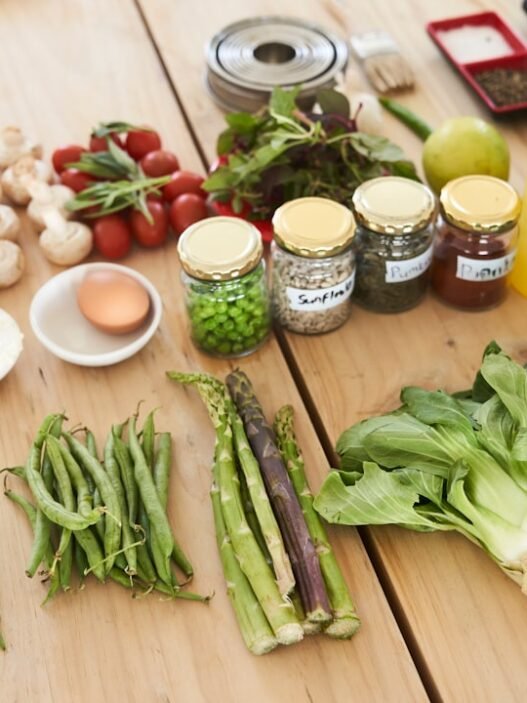
One of the first revelations came from observing her consistent use of real, whole ingredients. It sounds deceptively simple, doesn’t it? Yet, in our quest for quick fixes, we often overlook this fundamental truth. “Quality ingredients don’t need much fuss,” I often remind my wellness clients, echoing a sentiment that resonates deeply with Ina’s kitchen. From a functional nutrition perspective, this translates directly to nutrient density. A fresh, ripe tomato, bursting with lycopene (a powerful antioxidant linked to reduced risk of chronic diseases, as highlighted by research in journals like Food Chemistry), requires only a drizzle of good olive oil and a sprinkle of sea salt to shine. Contrast this with canned sauces loaded with added sugars and preservatives—the nutritional impact is profoundly different. My own shift started with a conscious effort to prioritize vibrant, seasonal produce. On a busy Tuesday, instead of reaching for a jarred sauce, I might quickly sauté organic spinach with garlic and cherry tomatoes, adding a quick protein like pan-seared wild salmon. The simplicity highlights the natural flavors, making it both delicious and deeply nourishing.
The second powerful principle I absorbed was the subtle art of mise en place – having everything in its place before you begin. Ina makes this look effortless, a natural extension of her organized approach. For someone focused on wellness, this translates into a powerful tool for stress reduction and proactive healthy choices. Research suggests that stress can impact digestion and nutrient absorption, so anything that reduces kitchen anxiety is a win for our gut health. My personal routine now involves a Sunday evening ritual: washing and chopping greens, pre-portioning grains, and roasting a batch of versatile vegetables like sweet potatoes or broccoli. When I come home exhausted mid-week, the hard work is already done. It’s a game-changer. I remember one evening, utterly drained, I almost ordered takeout. But then I saw the pre-chopped bell peppers and onions, the cooked quinoa in the fridge. Within minutes, I had a colorful, gut-friendly stir-fry with a fried egg, a far cry from the greasy alternative. This proactive preparation, a cornerstone of culinary efficiency, directly supports sustained energy levels and avoids the impulsive, often less healthy, choices born of fatigue.
Another gem is her seemingly intuitive understanding of flavor building through fresh herbs and citrus. It’s not just about taste; it’s a masterclass in micronutrient density. Fresh parsley, cilantro, basil, and lemon zest aren’t mere garnishes. These ingredients are packed with vitamins, minerals, and polyphenols—plant compounds known for their anti-inflammatory and antioxidant properties, crucial for cellular health and disease prevention. The National Institutes of Health (NIH) emphasizes the importance of a diet rich in diverse plant compounds. A squeeze of lemon brightens any dish, while providing a dose of Vitamin C. A handful of fresh dill transforms plain Greek yogurt into a vibrant sauce. I’ve found that incorporating these elements generously allows me to reduce reliance on excessive salt or unhealthy fats for flavor, naturally elevating the nutritional profile of my meals. It’s a subtle shift, but the cumulative effect on energy and well-being is remarkable.

Finally, there’s the quiet confidence in embracing leftovers and repurposing components. This isn’t about eating the same exact meal day after day; it’s about smart cooking that minimizes waste and maximizes efficiency. Her approach hints at creating versatile building blocks rather than rigid, single-use dishes. A roasted chicken one night can become a salad topping the next, or its broth can form the base of a quick immune-boosting soup. From a functional nutrition perspective, this is genius. It ensures consistent intake of well-prepared foods, reduces the likelihood of reaching for ultra-processed snacks due to lack of options, and supports a healthy gut microbiome through diverse, home-cooked ingredients. My fridge often contains a ‘components’ shelf: roasted root vegetables, a batch of quinoa, a simple vinaigrette, and a protein. Mix and match, and you have a completely new, balanced meal without a second thought. It’s about cooking once, eating mindfully three times.

The underlying thread in all of this is a gentle invitation to cultivate joy in the process. When cooking feels like an act of nourishment, rather than a race against the clock, our relationship with food shifts. The calm enthusiasm I now bring to my kitchen, even on a busy Monday, resonates not just with my taste buds but with my entire system. It helps to activate the parasympathetic nervous system, preparing our body for optimal digestion and absorption, a concept well-understood in the realm of the gut-brain axis. It’s not about being perfect; it’s about showing up for ourselves with a little more intention each day.
The real transformation isn’t just in the speed or ease of dinner, but in the profound sense of connection to what nourishes us, transforming chaotic evenings into moments of calm, flavorful sustenance.
*
The quiet revolution in our home kitchens is truly about shifting our perspective, seeing everyday cooking not as a burden, but as an empowering act of self-care. It’s a testament to the power of principles over rigid rules. We can all embrace the elegance of quality, the wisdom of preparation, and the sheer joy of simple, nourishing meals, even on the busiest of weeknights.
As I’ve learned to integrate these insights into my daily rhythm, the biggest revelation wasn’t a complex technique, but the profound impact of intentional simplicity. It’s about building a foundation of quality ingredients and a relaxed approach that nourishes not just the body, but the spirit. “Cooking is an act of love,” the spirit of a well-tended kitchen seems to whisper, “and simple, honest food is the purest expression of it.” This mindset reframe allows us to approach healthy eating not as a restriction, but as a generous offering to ourselves and our loved ones. Long-term success in creating healthy recipes and routines truly comes from curiosity about how food impacts us, adaptability when life throws us curveballs, resilience in the face of busy days, and deliberate experimentation to find what truly works for our unique bodies. It’s a continuous, joyful learning journey, one mindful meal at a time.
REMINDER: Every Post Can ONLY Claim Per Day ONCE
Pls Proceed to NEXT Post!