










Boost Energy: Healthy Meal Prep for Easy Weight Loss
Let’s be real for a moment. You’ve just crushed a workout, you’re feeling fantastic, the endorphins are soaring… and then the hunger hits. Not just any hunger, but that ravenous, “I could eat a horse and then some” kind of hunger. In that split second, all your good intentions about “clean eating” and “mindful nutrition” can evaporate, replaced by an overwhelming urge for whatever is quickest, easiest, and often, least helpful for your goals. I’ve been there more times than I care to admit, standing in front of an empty fridge, stomach rumbling, and suddenly that drive-thru siren song sounds incredibly appealing. It’s that exact moment of post-exertion vulnerability, or the mid-week dinner scramble, that can derail even the most committed healthy eating efforts. This isn’t a failure of willpower; it’s often a failure of preparation.
In the fast-paced symphony of modern life, where our schedules are packed tighter than a jar of artisanal pickles, the strategic deployment of healthy meal prep isn’t just a hack; it’s a foundational pillar for sustained energy, consistent weight management, and overall well-being. It’s about being proactive, not reactive, in a world that constantly bombards us with convenient (but often nutritionally void) choices. How do we, as active, health-conscious individuals, navigate this landscape to ensure we’re fueling our bodies optimally without feeling like we’re running a five-star restaurant out of our kitchen every single night? The answer lies not in deprivation, but in intelligent design – crafting delicious, satisfying meals that work for us, not against us.
# The Strategic Blueprint for Energized Eating
The journey to sustained energy and easy weight loss isn’t about grand, sweeping gestures; it’s about the consistent application of small, smart choices. Think of it less like a sprint and more like building a resilient operational framework for your personal nutrition.
## 1. The Power of the “Anchor Meal”: Your Culinary North Star
I remember a period where my meal prep efforts felt like I was trying to herd cats. I’d make a bunch of random components, and then come mealtime, I’d stare blankly, trying to figure out how to combine them into something cohesive and appealing. It felt like I was playing a culinary game of Tetris with mismatched pieces. The game-changer? Identifying what I now call the “Anchor Meal.” This isn’t just any meal; it’s your go-to, high-satisfaction, nutritionally dense template that you can tweak slightly throughout the week. For me, it often revolves around a hearty grain bowl or a substantial salad base.
This approach transforms chaos into clarity. Instead of preparing 10 different things, I focus on perfecting 2-3 core components that form the base of my anchor meal. For instance, perfectly roasted sweet potatoes, a batch of quinoa, and a pan of seasoned chicken or chickpeas. These become the bedrock, and then I layer in freshness with pre-chopped veggies, a killer homemade dressing, or some toasted nuts. It streamlines decision-making and reduces “cooking fatigue.” This concept isn’t far from how savvy e-commerce brands optimize their core product offerings – they don’t try to be everything to everyone, but they excel at their flagship products, making them endlessly customizable for different consumer segments.

## 2. Mastering Macronutrients: The Protein & Fiber First Principle
When it comes to boosting energy and managing weight, the science is crystal clear: protein and fiber are your MVPs. Think of them as the unsung heroes of your digestive system and satiety signals. A study published in the American Journal of Clinical Nutrition highlighted that increasing protein intake can significantly enhance satiety and help preserve lean muscle mass during weight loss. Similarly, the Mayo Clinic consistently advocates for fiber-rich diets to promote digestive health, regulate blood sugar, and contribute to a feeling of fullness.
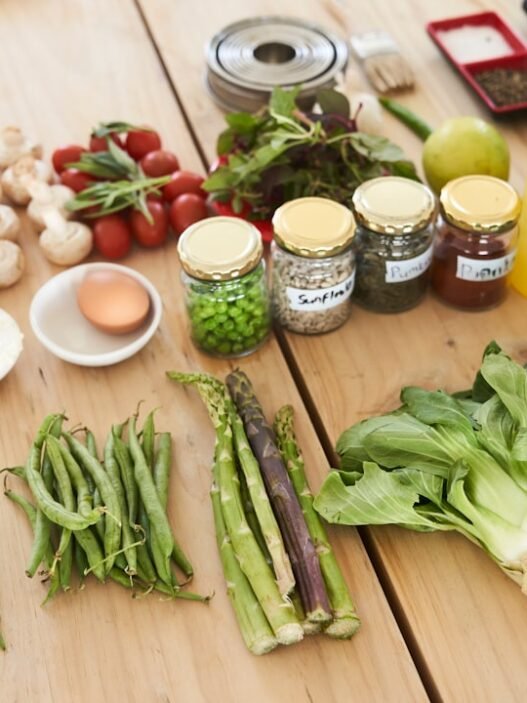
My personal philosophy is “protein and fiber first.” Every meal prep session begins with figuring out my protein source (lean chicken breast, wild salmon, lentils, black beans, edamame, tofu) and my fiber heavy-hitters (broccoli, spinach, bell peppers, berries, whole grains).
Protein Example: Lemon-Herb Baked Chicken Breast. I’ll bake 2-3 lbs of chicken breast seasoned simply with lemon juice, dried herbs (oregano, thyme, a touch of rosemary), garlic powder, salt, and pepper at 400°F (200°C) for 20-25 minutes. It’s versatile, lean, and stores beautifully.
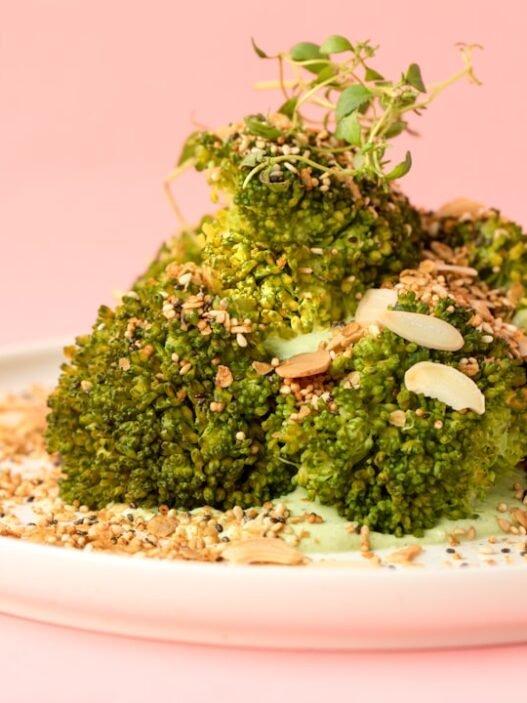
Fiber Example: Roasted Veggie Medley. Toss chopped broccoli florets, bell peppers (all colors for visual appeal!), zucchini, and red onion with a drizzle of olive oil, salt, and pepper. Roast alongside the chicken at the same temperature until tender-crisp. This isn’t just about nutrition; it’s about setting up your plate for success. High protein keeps you full longer, curbing those mid-afternoon snack attacks, while fiber ensures a steady energy release, avoiding sugar crashes.
## 3. The Glycemic Index Game: Smart Carbs for Sustained Power
Not all carbs are created equal – a lesson I learned the hard way after a few too many “healthy” granola bars that sent my blood sugar on a rollercoaster. The glycemic index (GI) is a helpful tool here, indicating how quickly a food raises blood glucose levels. Foods with a lower GI (like oats, quinoa, sweet potatoes, brown rice) offer a more sustained release of energy, preventing those energy dips and subsequent cravings. Harvard Health Publishing consistently emphasizes the benefits of choosing low-GI carbs for better blood sugar control and overall metabolic health.

For my meal prep, this means prioritizing complex carbohydrates that fuel me without the crash.
Quinoa Power Bowl Base: Instead of white rice, I cook up a big batch of quinoa. It’s a complete protein and a fantastic source of fiber. For a standard 1 cup (185g) serving, quinoa delivers around 8 grams of protein and 5 grams of fiber, according to USDA data. I cook mine with vegetable broth instead of water for an extra layer of flavor.
Sweet Potato Magic: Diced and roasted sweet potatoes are another staple. Their natural sweetness and satisfying texture make them a go-to. They’re also packed with Vitamin A and C. Sometimes, I’ll even mash them with a little cinnamon for a sweeter side or a creamy base.
The strategic insight here is to think of your carbs as long-term fuel, not a quick sugar fix. This psychological shift from “carbs are bad” to “smart carbs are essential” is crucial for long-term adherence to a healthy eating plan.
## 4. The Flavor Factor: Making Healthy Delicious
Let’s be honest, bland meal prep is a one-way ticket to giving up. No matter how nutritionally sound something is, if it doesn’t taste good, you won’t eat it consistently. This is where the artistry comes in! This isn’t about fancy techniques; it’s about embracing herbs, spices, citrus, and healthy fats.
Homemade Dressings: Forget store-bought ones laden with sugar and unhealthy oils. A simple vinaigrette (olive oil, apple cider vinegar, Dijon mustard, a touch of maple syrup, salt, pepper) or a creamy tahini dressing (tahini, lemon juice, water, garlic powder) can elevate any meal. I make a jar of dressing at the start of the week, and it’s a game-changer.
Herb & Spice Blends: Don’t be shy! My go-to is often a blend of smoked paprika, cumin, coriander, and a pinch of cayenne for a warming, earthy flavor profile that works brilliantly on chicken, chickpeas, or roasted veggies. Fresh herbs like cilantro or parsley, added right before serving, can also brighten everything up.
Citrus Zest & Juice: A squeeze of fresh lemon or lime juice and a sprinkle of zest can awaken flavors in a way nothing else can. It’s an instant freshness booster.
This focus on flavor is critical for retention – just like in e-commerce, customer satisfaction drives repeat business. If your healthy meals are satisfying and delicious, you’re far more likely to stick with them.

## 5. Hydration & Electrolytes: The Often-Overlooked Energy Boost
We often focus so much on what’s on our plate that we forget what’s in our glass. Chronic dehydration can manifest as fatigue, brain fog, and even mistaken hunger cues. The National Institutes of Health (NIH) consistently highlights the importance of adequate hydration for cognitive function, energy levels, and overall metabolic processes. And it’s not just about water; sometimes, especially after a sweaty workout, our bodies crave electrolytes.
While I’m not suggesting sports drinks with added sugars, incorporating electrolyte-rich foods into your diet can make a huge difference. Think coconut water (unsweetened!), spinach, avocados, bananas, and seeds. During my meal prep, I always ensure I have a pitcher of infused water ready – sometimes with cucumber and mint, other times with berries and lemon. It makes staying hydrated less of a chore and more of a refreshing ritual. It’s a small operational detail that has a disproportionately large impact on daily energy and well-being.
The long-term success of any health strategy, much like a well-run business, hinges on understanding the interconnectedness of its components. It’s not just about the individual ingredients or tactics, but how they synergize to create a sustainable, resilient system that adapts to your life, fueling your vitality and helping you achieve your goals with ease.
# Cultivating a Lifestyle of Energized Eating
So, you’ve got your anchor meal concept, your protein and fiber sources locked down, smart carbs in the rotation, and flavor maximized. What’s next? It’s about seamlessly integrating these principles into your daily rhythm, making healthy eating not a chore, but an intuitive part of your life.

## Smart Storage & Batching: Your Weekly Wins
The true magic of meal prep lies in its ability to save you time and mental energy throughout the week. Invest in good quality, BPA-free containers (glass ones are my favorite for durability and aesthetics!). Once everything is cooked, portion out your meals into individual containers. This eliminates decision fatigue during busy weekdays. I usually prep 3-4 days’ worth of lunches and dinners. For example, two days might be a quinoa bowl with chicken and roasted veggies, and the other two might be the same components but transformed into a big, satisfying salad with a different dressing. This subtle variation keeps things interesting without needing a complete overhaul. Think of it as batch processing in a manufacturing plant – efficiency through repetition, with just enough customization to meet demand.
## The Art of the “Healthy Pantry” Pivot
One of the biggest lessons I’ve learned is that healthy eating isn’t just about what you cook, but what you have on hand*. A well-stocked pantry and fridge with nutritious staples are your best defense against unhealthy impulse decisions. Keep items like canned beans (rinse thoroughly!), whole grains, nuts, seeds, frozen fruits and veggies, and quality olive oil always available. If you have the building blocks for a healthy meal, you’re far more likely to construct one, even on days when meal prep feels like a distant memory. It’s the strategic equivalent of ensuring your supply chain is robust and diverse.
## Listen to Your Body, Adjust and Iterate
Just like any good business strategy, your healthy eating plan needs to be dynamic. There will be days when you’re more active and need a little more fuel, or days when you crave something comforting. The beauty of a flexible meal prep approach is that it allows for this. Don’t be afraid to adjust portions, swap ingredients, or even scrap a meal if your body is telling you something different. This isn’t a rigid diet; it’s a personalized nutrition framework. If a recipe isn’t hitting the mark, iterate! Add more spices, try a different veggie, or experiment with a new sauce. Trustworthiness in cooking, much like in business, comes from transparency and admitting that not everything is perfect the first time, but persistence and adaptation lead to delicious success.
At its heart, boosting energy and achieving easy weight loss through healthy meal prep isn’t a complex scientific formula; it’s an act of self-care and strategic foresight. It’s about making an upfront investment in time and effort that pays dividends throughout your week, not just in terms of physical well-being, but in mental clarity and reduced stress. It empowers you to navigate the tempting landscape of modern food with grace and intention, turning potential pitfalls into pathways toward a more vibrant, energetic you.
So, roll up your sleeves, crank up your favorite tunes, and transform your kitchen into a delicious laboratory of well-being. Your future self, bursting with energy and radiating confidence, will thank you for it.
For those eager to dive deeper, consider exploring AI personalization tools that can adapt recipe recommendations based on your unique dietary needs and activity levels. Furthermore, engaging with community-driven recipe development platforms can unearth new flavor combinations and keep your meal prep exciting. Finally, for content creators in this space, building strong retention systems for your recipe followers through consistent value and transparent communication is key to scaling responsibly and building lasting trust in the dynamic world of healthy food publishing.

REMINDER: Every Post Can ONLY Claim Per Day ONCE
Pls Proceed to NEXT Post!