












There was a period, not so long ago, when my days often felt like a series of tightropes walked with a precarious balance, and my nights, an endless scroll through worries. The quiet hum of an overactive mind made restful sleep a rare luxury, and the constant pressure to ‘do more’ left me perpetually teetering on the edge of exhaustion. It’s a feeling I’ve heard echoed in countless conversations with friends and colleagues—this collective sigh of overwhelm in a world that rarely pauses.
In our increasingly complex and demanding lives, where digital connectivity often blurs the boundaries between work and rest, it’s hardly surprising that so many of us are actively seeking new pathways to inner peace and robust mental well-being. The conversation around mental health has thankfully moved from whispers to open dialogue, prompting a wider exploration of holistic approaches—strategies that look beyond conventional methods to embrace the intricate connections within our minds, bodies, and spirits.
I remember one particularly draining autumn, feeling completely unmoored and searching for a calmer way to simply be, when a gentle mention of CBD piqued my interest. Frankly, I wasn’t sure it would make a difference, but driven by a quiet desperation for a sense of calm, I decided to approach it with an open, if slightly skeptical, mind. This exploration became more than just trying a new supplement; it evolved into a deeply personal journey of understanding how simple, intentional choices could profoundly influence my overall sense of balance.

As we gently peel back the layers of what it means to truly thrive in today’s world, perhaps we can uncover how ancient wisdom, modern science, and a touch of plant-based support might just hold a key to nurturing our minds with greater kindness and clarity.
As I navigated my own journey toward equilibrium, I wasn’t alone in wondering if there was more to feeling well than just managing symptoms. My experiences, while deeply personal, echoed a growing conversation among wellness seekers and researchers alike: the potential of cannabidiol, or CBD, to support our mental and physical landscape. It’s a space where anecdotal comfort meets burgeoning scientific interest, offering a nuanced perspective on how we might nurture our well-being.
One of the most profound shifts I observed, both personally and in discussions with others exploring CBD, centered around stress relief and emotional regulation. It wasn’t a sedative effect in the way a strong medication might impose quiet, but rather a subtle turning down of the internal alarm bells that often blare in our modern lives. The science behind this lies primarily in CBD’s interaction with our endocannabinoid system (ECS), a complex network of receptors and neurotransmitters that plays a crucial role in maintaining homeostasis across various bodily functions, including mood, sleep, and stress response. Research suggests CBD doesn’t directly bind strongly to the main cannabinoid receptors (CB1 and CB2) like THC does, but rather influences other receptors and pathways, potentially modulating serotonin signaling, which is critical for mood regulation. A 2020 review published in CNS Drugs highlighted CBD’s potential as a therapeutic for anxiety disorders, noting its interaction with the 5-HT1A serotonin receptor, which is implicated in anxiety. For me, this translated into a gentle grounding, a feeling that I could observe stressful thoughts without immediately being swept away by them. It wasn’t a sudden erasure of problems, but a newfound capacity to respond with a little more space and clarity. One common misconception here is that CBD will make you “high” or drowsy. It’s crucial to understand that reputable CBD products derived from hemp contain less than 0.3% THC, the psychoactive compound, and are non-intoxicating.

Complementing this sense of calm was a noticeable improvement in restorative sleep. For years, my nights were often punctuated by racing thoughts, leaving me feeling exhausted even after lying in bed for hours. While CBD isn’t a direct sedative like many prescription sleep aids, my experience, and that of many others, suggests it supports sleep by addressing underlying issues like anxiety and discomfort. Instead of forcing sleep, it helps create conditions conducive to natural rest. A study published in The Permanente Journal in 2019, involving 72 adults with anxiety and poor sleep, found that 79.2% experienced a decrease in anxiety scores and 66.7% reported improved sleep scores within the first month of CBD administration. This wasn’t about instant unconsciousness, but about the quality of sleep itself—waking up feeling genuinely more refreshed, rather than groggy. This, I learned, likely stems from its anxiolytic effects and potential to regulate the sleep-wake cycle, as well as its anti-inflammatory properties that can ease physical discomfort that often disrupts sleep. When considering CBD for sleep, dosage and timing are key; many find a slightly higher dose taken an hour or two before bed works best, allowing the calming effects to unfold gently.
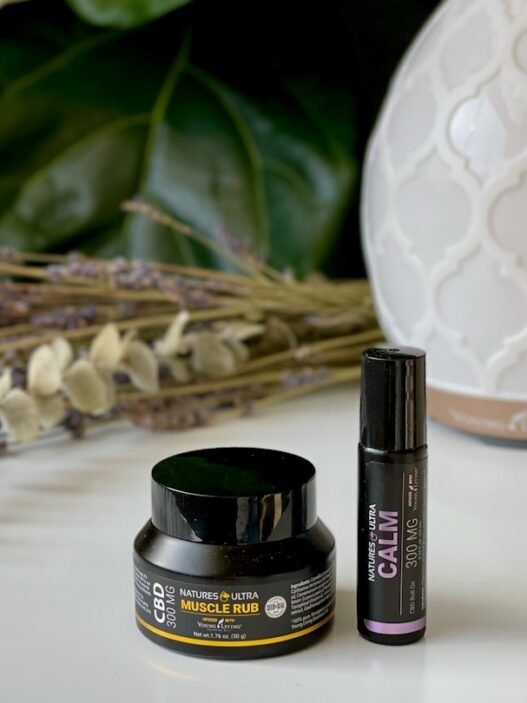
Beyond the immediate realms of stress and sleep, I found CBD to be a subtle ally in overall recovery and maintaining a sense of balance. Whether it was easing post-exercise muscle soreness or simply fostering a more relaxed baseline throughout the day, its purported anti-inflammatory effects played a quiet but significant role. Preliminary research, such as a 2015 review in the European Journal of Pain, has explored CBD’s therapeutic potential for chronic inflammatory and neuropathic pain, suggesting its interaction with various pain pathways. This isn’t to say CBD is a magic bullet for all pain, but rather a supportive component in a broader wellness strategy. For everyday aches or the pervasive tension that builds up in the shoulders from too much screen time, a topical CBD balm or a consistent oral dose offered a noticeable, albeit mild, sense of physical ease. This allowed me to engage more fully with my yoga practice or simply enjoy daily activities without constant underlying discomfort, fostering a quicker return to a state of equilibrium.

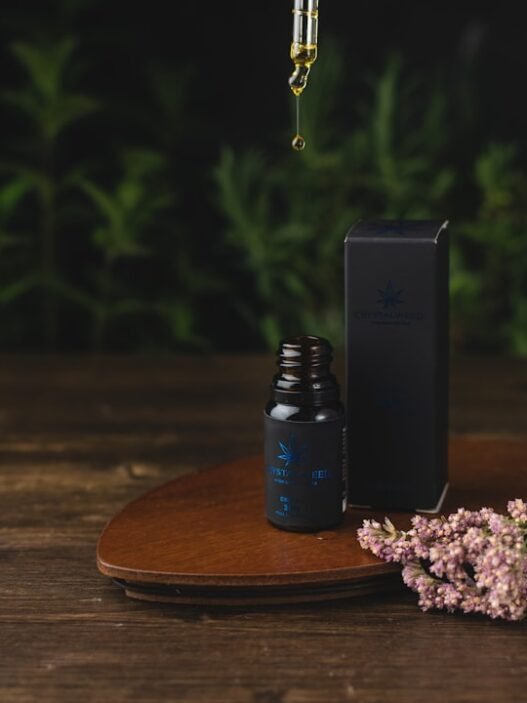
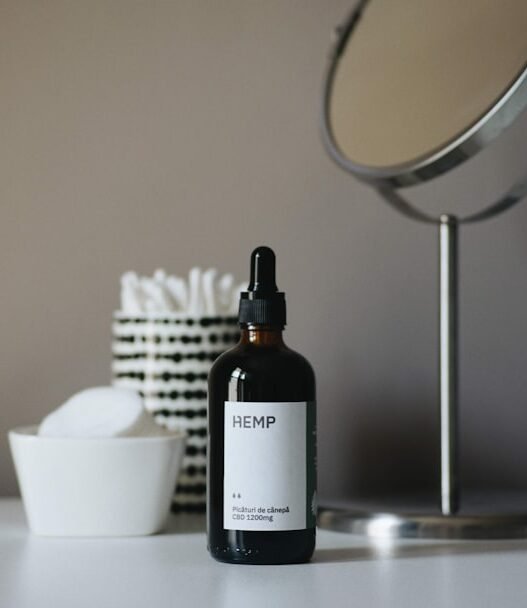
When considering integrating CBD into your own life, practical guidance is paramount. The landscape of CBD products can feel overwhelming, so discerning choices are essential. Always opt for products that provide third-party lab test results, verifying potency and ensuring the absence of contaminants like heavy metals or pesticides. The FDA has warned consumers about products with unverified claims, underscoring the importance of transparency. As for dosage, the mantra “start low, go slow” is invaluable. Everyone’s endocannabinoid system is unique, and what works for one person might not for another. Begin with a small dose (e.g., 5-10 mg) once or twice daily, gradually increasing until you find your optimal individual response. Tinctures, or oils, offer flexibility in dosing and faster absorption, while capsules provide convenience and consistent dosing.
It’s also important to remember that CBD is not a standalone solution but a tool within a holistic approach to well-being. Its effectiveness is often amplified when combined with other mindful practices, such as a balanced diet, regular exercise, meditation, and adequate hydration. Furthermore, if you are taking other medications, particularly blood thinners or those with a grapefruit warning, it is always prudent to consult with your doctor before introducing CBD, as it can interact with certain drug metabolizing enzymes. While the scientific community continues its robust exploration of CBD’s full potential, acknowledging the ongoing research and occasional uncertainties reminds us that personal experimentation, done mindfully and responsibly, is part of this unfolding journey toward greater well-being.

As we’ve explored the subtle yet profound ways CBD intersects with our mental well-being, it becomes clear that its role isn’t about instant fixes or magical cures, but rather about gentle recalibration and support. My own journey, and the emerging science, points to CBD as a powerful adjunct within a broader framework of holistic health. The true lessons here lie in mindful exploration, informed decision-making, and the understanding that wellness is an ongoing, deeply personal expedition.
The key takeaway is that mental health isn’t a destination, but a practice. CBD, when approached thoughtfully and responsibly, can be a supportive element in cultivating inner calm and resilience. It’s about recognizing that our bodies possess an innate ability to seek balance, and sometimes, a little plant-based assistance can help nudge us back towards that equilibrium. The conversations around CBD and wellness are still evolving, and while much research is ongoing, the anecdotal evidence, combined with promising preliminary studies, suggests a future where botanical support plays a more integrated role in our daily self-care rituals.
For those curious to explore this path, I offer a few simple steps:
First, approach CBD mindfully. If you’re considering incorporating it, begin with a high-quality product from a reputable source, start with a low dose, and patiently observe how your body and mind respond. Everyone’s endocannabinoid system is unique, and what works for one person might differ for another. Listen to your body, perhaps noting your experiences in a journal.
Second, embrace the power of reflection through journaling. Beyond any supplement, the simple act of putting pen to paper can be profoundly clarifying. Document your moods, energy levels, sleep quality, and even moments of stress or joy. This practice builds self-awareness, helping you connect the dots between your daily habits, your internal state, and how any new addition like CBD might be influencing your well-being.
Finally, cultivate a calming evening routine. The transition from the day’s demands to restful sleep is crucial for mental restoration. Whether it’s a warm bath infused with Epsom salts, a few minutes of gentle stretching, reading a calming book, or simply dimming the lights and putting away screens an hour before bed, these rituals signal to your nervous system that it’s time to unwind. These small, consistent acts can create a powerful ripple effect on your sleep quality and overall resilience.
For me, integrating practices like these, with CBD as a gentle ally when needed, has transformed moments of overwhelm into opportunities for self-compassion. It’s not about avoiding life’s inevitable stresses, but about building a more robust inner framework to meet them with grace and presence. My daily life feels more grounded, more attuned to my own needs, and certainly more peaceful. This journey into botanical support and self-awareness often opens doors to exploring other aspects of holistic living, from deeper dives into stress management techniques to understanding the profound wisdom of plant-based healing traditions, all of which contribute to the continuous art of nurturing our overall well-being. The future of mental health isn’t just about remedies; it’s about empowerment, education, and embracing a lifestyle that truly supports the intricate dance between mind, body, and spirit.
REMINDER: Every Post Can ONLY Claim Per Day ONCE
Pls Proceed to NEXT Post!